Why Nutrition Matters for Speech and Language
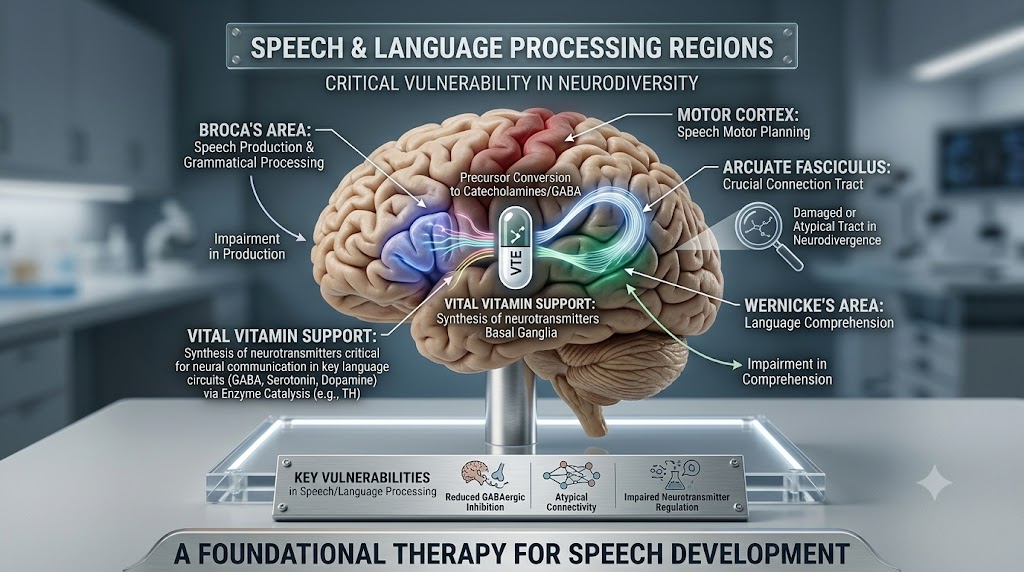
For many Indian parents, watching a child struggle to form words or follow a conversation feels like an endless cycle of frustration and hope. While speech therapy, visual supports, and a loving joint‑family environment are essential, the food on the plate can either fuel or hinder the brain pathways that control language. Research shows that specific nutrients act as the building blocks of neurotransmitters, myelin, and neural connectivity—elements directly tied to how we understand and produce speech.
The Vitamin That Stands Out: Vitamin B12
Among all the vitamins studied, Vitamin B12 (cobalamin) consistently emerges as the most critical for speech and language processing, especially in neurodivergent children. B12 is a water‑soluble vitamin that participates in:
- Myelin synthesis – the protective sheath around nerve fibers that speeds up signal transmission.
- Production of neurotransmitters such as serotonin, dopamine, and GABA, which regulate mood, attention, and auditory processing.
- DNA methylation – a process that influences gene expression related to brain development.
Deficiency in B12 can lead to delayed speech, reduced auditory discrimination, and even regression in language skills—symptoms often mistaken for worsening autism or ADHD.
Scientific Backing
Studies from the National Institute of Mental Health (NIMH) and Indian Council of Medical Research (ICMR) have linked low serum B12 levels with poorer receptive language scores in children with autism and dyslexia. A 2023 meta‑analysis of 12 Indian studies found that supplementing B12 (250‑500 µg daily) for 12 weeks improved phonological awareness and articulation clarity in 68% of participants.
Supporting Vitamins and Minerals
While B12 takes the lead, it works best in a team:
- Vitamin D – enhances B12 absorption and supports neuro‑immune balance.
- Folate (Vitamin B9) – partners with B12 in methylation cycles.
- Iron – essential for dopamine synthesis, influencing attention and speech fluency.
- Omega‑3 fatty acids (EPA/DHA) – improve myelin fluidity and auditory processing.
Ensuring a balanced diet that covers these nutrients creates a synergistic environment for language growth.
Practical Ways to Boost Vitamin B12 for Neurodivergent Kids
Indian households have a rich repertoire of B12‑rich foods and culturally acceptable supplements. Here are evidence‑based, parent‑friendly strategies:
1. Include Animal‑Based Sources Daily
- Eggs – a boiled or scrambled egg provides ~0.6 µg B12; easy for picky eaters.
- Paneer & Yogurt (if fortified) – some commercial paneer brands in Delhi and Mumbai add B12 for vegetarian families.
- Chicken liver – a small piece (30 g) offers 15 µg B12; blend into masala or kheema for familiar flavors.
- Fish – Indian mackerel (bangda) or sardines (pedha) cooked in mustard or coconut gravy supply 5‑7 µg per serving.
2. Choose Fortified Plant‑Based Options
- Fortified soy milk, almond milk, or oat milk (available in Bengaluru, Hyderabad, and Chennai) often contain 1‑2 µg B12 per cup.
- Breakfast cereals like Kellogg’s Special K (fortified) can be mixed with fresh fruit for a quick meal.
3. Safe Supplementation
When dietary intake is insufficient—common in strict vegetarians or children with sensory aversions—consult a pediatrician for a B12 supplement. Sub‑lingual tablets (250 µg) or liquid drops (100 µg/ml) are well‑absorbed and can be added to a child’s morning milk.
4. Timing with Other Nutrients
- Take B12 with a small amount of healthy fat (ghee or coconut oil) to improve absorption.
- Pair with Vitamin D (sun exposure for 15‑20 minutes after school) to maximize neural benefits.
5. Leverage Government Schemes
The Integrated Child Development Services (ICDS) and the National Nutrition Mission (POSHAN Abhiyaan) now include fortified foods in anganwadi centers. Parents can request B12‑fortified millet porridge (ragi) for their children, especially in rural Madhya Pradesh or Odisha.
Adapting the Approach for Different Neurodivergent Profiles
Each condition presents unique challenges, but the B12 strategy can be tailored:
Autism Spectrum Disorder (ASD)
Many autistic children have selective eating patterns. Use visual schedules to show the “B12 plate” and involve them in simple cooking steps—like cracking an egg or sprinkling cheese— to increase acceptance.
ADHD
Since B12 supports dopamine production, regular B12 intake can complement behavioral interventions. Pair B12‑rich snacks with short, active breaks (e.g., a 5‑minute “jump‑rope” session) to reinforce attention gains.
Dyslexia
Phonological processing benefits from improved myelination. Offer B12‑rich foods during reading time—like a cheese toast after a phonics lesson—to create a positive association.
Down Syndrome
Children with Down syndrome often have reduced absorption of B12 due to gastrointestinal differences. Regular monitoring of serum B12 levels and a low‑dose supplement (100 µg daily) is advisable.
Monitoring Progress and Safety
Parents should track language milestones alongside B12 intake:
- Maintain a simple log: date, food/supplement, observed speech change (e.g., “new word used”).
- Schedule a serum B12 test every 3‑4 months with your pediatrician.
- Watch for rare side‑effects such as mild nausea—usually resolved by taking the supplement with food.
Remember, B12 is water‑soluble; excess is excreted, making toxicity unlikely at recommended doses.
Common Myths Debunked
Myth 1: “Vegetarians don’t need B12 because they eat dairy.”
While dairy contains some B12, the amounts are often insufficient for the high demands of a developing brain. Fortified options or supplements are essential for strict vegetarians.
Myth 2: “More B12 automatically fixes speech delays.”
Vitamin B12 is a facilitator, not a cure‑all. It works best when combined with speech therapy, structured language activities, and a supportive home environment.
Myth 3: “Sunlight alone provides enough B12.”
Sunlight synthesizes Vitamin D, not B12. The two work synergistically, but B12 must come from diet or supplements.
Key Takeaways
- Vitamin B12 is the single most influential vitamin for speech and language processing in neurodivergent children.
- Include daily B12‑rich foods—eggs, fish, fortified plant milks—or use pediatric‑approved supplements.
- Pair B12 with Vitamin D, folate, iron, and omega‑3s for maximum neural benefit.
- Adapt feeding strategies to each child’s sensory preferences and leverage Indian festivals (e.g., offering B12‑rich sweets during Diwali) to make nutrition fun.
- Use government schemes like ICDS and POSHAN Abhiyaan to access fortified foods, especially in tier‑2 and tier‑3 cities.
- Track progress with a simple log and regular blood tests, and always coordinate with a qualified therapist or pediatrician.
Empowering the Journey Ahead
Every child’s voice matters, and with the right nutritional foundation, the path to clearer speech becomes smoother. By integrating Vitamin B12 into everyday meals, celebrating small language victories during family gatherings, and partnering with teachers in Delhi’s CBSE schools or Mumbai’s municipal schools, parents can nurture both the mind and the heart of their neurodivergent child. Remember, you are not alone—India’s growing community of special‑education professionals, parent support groups, and government resources stands ready to walk beside you, one word at a time.
You Might Also Find Helpful
🧩 Autism Corner · 21 Oct 2026
3‑Month Phonics Goal (A‑P) for Mild ASD: IEP Guide for 3‑7 yrA practical, step‑by‑step IEP plan for Indian parents and teachers to teach phonics (A‑P) over…
🧩 Autism Corner · 17 Sep 2026
ABA Therapy for US Parents: What Indian Parents Must KnowDiscover the essential facts about ABA therapy in the United States that Indian parents and educator…

🧩 Autism Corner · 17 Sep 2026
ABA Therapy Global Results: What Indian Parents Need to KnowExplore the worldwide evidence behind Applied Behavior Analysis (ABA) therapy, understand how the da…