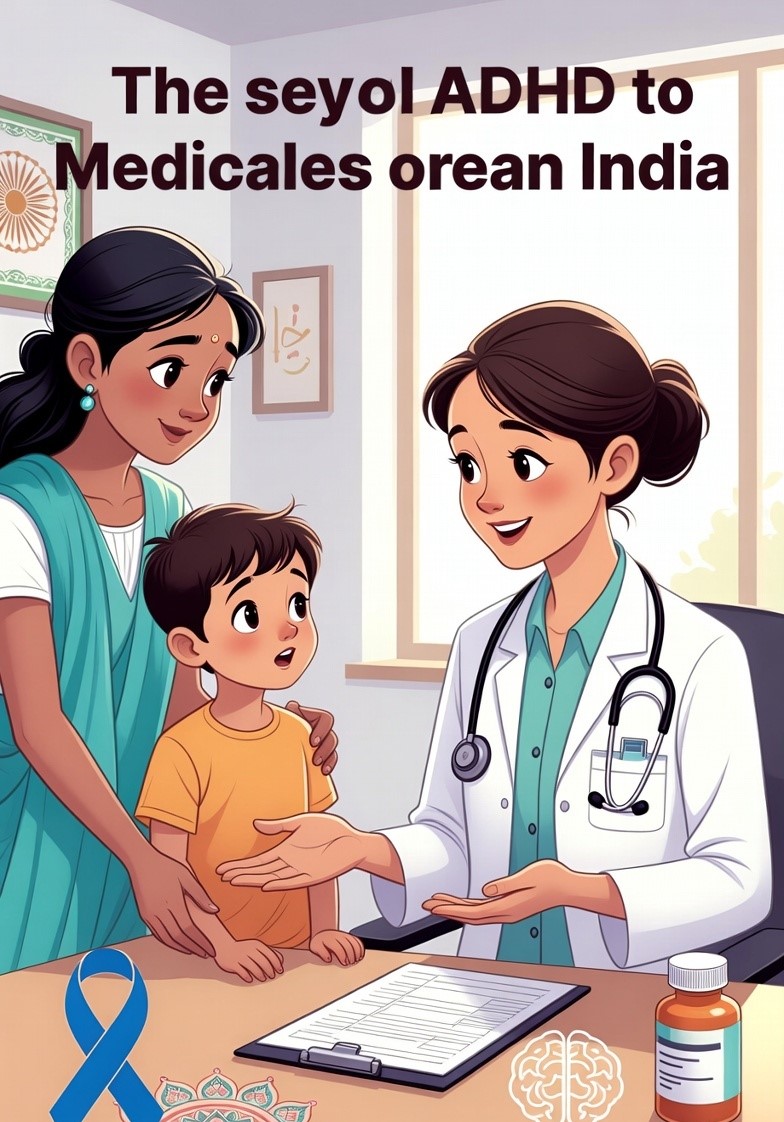
Introduction to ADHD Medication in India
As a parent of a child with Attention Deficit Hyperactivity Disorder (ADHD) in India, you're likely no stranger to the challenges of managing your child's symptoms. From navigating the chaotic streets of Mumbai to dealing with the pressure of academic performance in Delhi's schools, raising a child with ADHD can be a daunting task. If you're considering medication as a treatment option, you're probably wondering what's available, how it works, and what to expect. In this guide, we'll delve into the world of ADHD medication in India, exploring the different types, their benefits, and potential side effects, to help you make an informed decision for your child.
Understanding ADHD Medication
ADHD medication is designed to help alleviate symptoms of inattention, hyperactivity, and impulsivity. In India, the most commonly prescribed medications for ADHD are stimulants, such as Ritalin, Adderall, and Dexedrine. These medications work by increasing the levels of certain neurotransmitters, like dopamine and norepinephrine, in the brain, which helps improve focus, attention, and impulse control.
Types of ADHD Medication
- Stimulants: As mentioned earlier, stimulants are the most commonly prescribed medications for ADHD. They're available in various forms, including tablets, capsules, and liquids.
- Non-stimulants: Non-stimulant medications, such as Strattera, are often prescribed for children who don't respond to stimulants or experience severe side effects. These medications work by increasing the levels of norepinephrine in the brain.
- Antidepressants: In some cases, antidepressants like Wellbutrin may be prescribed to help manage ADHD symptoms, particularly in children who experience depression or anxiety alongside their ADHD.
Benefits of ADHD Medication
ADHD medication can have a significant impact on a child's quality of life, helping them to better manage their symptoms and improve their overall functioning. Some benefits of ADHD medication include:
📎 Related Free Resource · Autism Spectrum
What Is ABA Therapy for Autism? A Simple & Practical Guide for ParentsABA stands for Applied Behaviour Analysis. It is an approach to understanding how behavior and learning are influenced by a perso…
📥 Download Free- Improved focus and attention: Medication can help children with ADHD stay focused and on task, both in school and at home.
- Increased impulse control: By reducing impulsivity, medication can help children with ADHD make better choices and behave more appropriately in social situations.
- Enhanced academic performance: With improved focus and attention, children with ADHD may experience improved academic performance, leading to increased confidence and self-esteem.
Potential Side Effects of ADHD Medication
While ADHD medication can be highly effective, it's essential to be aware of the potential side effects. Common side effects include:
- Insomnia or sleep disturbances
- Loss of appetite or weight loss
- Increased anxiety or jitteriness
- Stomachaches or headaches
Indian Context: Accessibility and Affordability
In India, ADHD medication is widely available in major cities like Bangalore, Chennai, and Hyderabad. However, accessibility and affordability can be a concern in rural areas. The Indian government has launched initiatives like the National Mental Health Programme to improve access to mental health services, including medication for ADHD. Additionally, many health insurance providers in India cover ADHD medication, making it more affordable for families.
Joint Family Dynamics and ADHD Medication
In Indian joint families, where multiple generations live together, managing a child's ADHD medication can be challenging. It's essential to educate all family members about the child's condition and the importance of medication adherence. By working together, families can provide a supportive environment that fosters the child's overall well-being.
Key Takeaways
- ADHD medication can be an effective treatment option for children with ADHD in India.
- Stimulants, non-stimulants, and antidepressants are the most commonly prescribed medications for ADHD.
- Medication can have benefits like improved focus, increased impulse control, and enhanced academic performance.
- Potential side effects include insomnia, loss of appetite, and increased anxiety.
- Accessibility and affordability of ADHD medication can be a concern in rural areas, but initiatives like the National Mental Health Programme aim to improve access.
Conclusion
As an Indian parent of a child with ADHD, it's natural to feel overwhelmed by the complexities of medication. However, by educating yourself about the different types of medication, their benefits, and potential side effects, you can make informed decisions that support your child's unique needs. Remember, you're not alone in this journey. With the right guidance, support, and resources, you can help your child thrive and reach their full potential. So, take a deep breath, stay informed, and empower yourself to be your child's best advocate. Together, you can navigate the world of ADHD medication in India and create a brighter, more promising future for your child.
Free Resources Related to This Post
ABA stands for Applied Behaviour Analysis. It is an approach to understanding how behavio…
📥 Download FreePractical 2-page parent guide with warm illustrations of mom & child. Covers slow talk…
📥 Download FreeYou Might Also Find Helpful
🏫 Educator Resources · 21 Oct 2026
Identify Dyslexia in Your Child: A Guide for Indian ParentsDiscover practical ways to recognize dyslexia early in your child. This empathetic guide offers real…

🏫 Educator Resources · 12 Oct 2026
Cerebral Palsy and Physiotherapy in India: A Parent’s GuideDiscover how physiotherapy can transform the lives of children with cerebral palsy in India. This em…
🏫 Educator Resources · 12 Sep 2026
ADHD & Gifted Kids in India: Guide to Twice‑Exceptional LearnersDiscover how ADHD and giftedness can coexist in Indian children, why they are called twice‑excepti…