Introduction: A Parent’s Quiet Panic
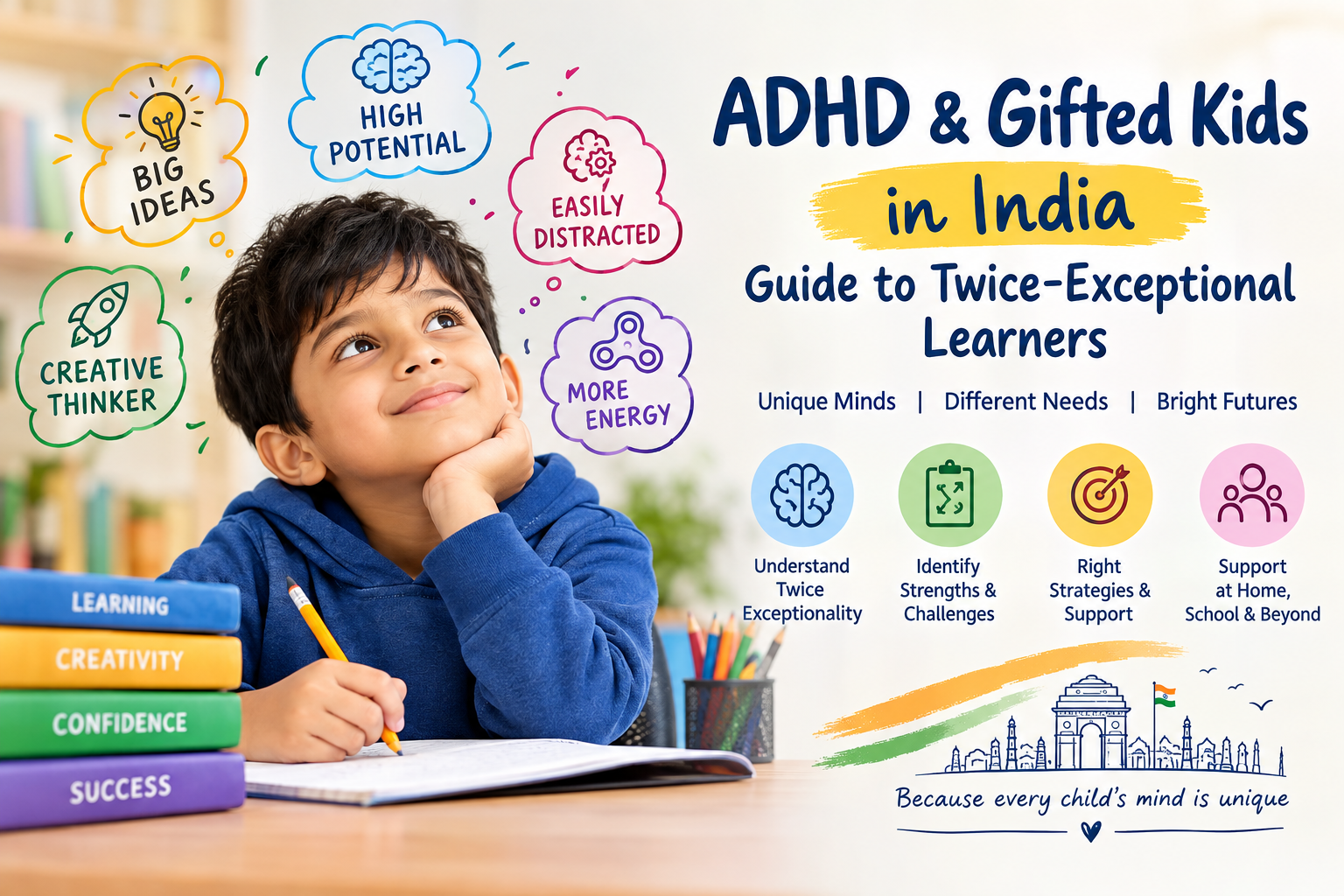
Rashmi watches her son Arjun sprint from the kitchen to the living room, reciting the periodic table in a rapid, breathless rhythm. He can solve a Sudoku puzzle in seconds, yet he can’t sit still for a single class lesson. "He’s a genius," she tells the aunt, "but he’s also always getting in trouble for being ‘too hyper.’" This mix of brilliance and restlessness is a familiar story for many Indian families, yet it is often misunderstood. In India, children who are both gifted and have ADHD are called *twice‑exceptional* (2e) learners – exceptional for their talent, and exceptional for their challenges. This post explains what it means to be twice‑exceptional, why it matters in the Indian educational landscape, and how parents and educators can turn a double‑edged sword into a powerful advantage.
Understanding the Term ‘Twice‑Exceptional’
‘Twice‑exceptional’ refers to children who possess high ability in one or more domains (academics, arts, sports, etc.) while simultaneously meeting criteria for a learning or neurodevelopmental disorder such as ADHD, dyslexia, or autism. The term acknowledges that these children are not merely "gifted with a problem" – they have a distinct neurocognitive profile that requires both enrichment and remediation.
Key Features of 2e Learners
- Asynchronous development: Intellectual abilities may be years ahead of emotional or motor skills.
- Masking: High intelligence can hide ADHD symptoms, leading to late diagnosis.
- Intense interests: Often hyper‑focused on topics they love, yet struggle to sustain attention on routine tasks.
- Emotional volatility: Frustration when expectations are not met, leading to anxiety or low self‑esteem.
ADHD in the Indian Context
ADHD affects roughly 5‑7% of Indian children, according to recent surveys by NIMHANS and the Ministry of Health. Cultural factors shape its presentation and recognition:
📎 Related Free Resource · ADHD
ADHD Homework Helper PlannerA structured homework planner with built-in break reminders, priority boxes, and a "done!" celebration section.…
📥 Download Free- High academic pressure: Competitive board exams and early entrance to engineering or medical streams amplify restlessness and impulsivity.
- Joint‑family expectations: Multiple caregivers may have differing views on discipline, making consistent strategies difficult.
- Stigma and terminology: ADHD is often labeled as "behavioral problem" rather than a neurodevelopmental condition, delaying professional help.
Diagnosis typically involves pediatricians, child psychiatrists, or clinical psychologists in metros like Delhi, Mumbai, Bangalore, and Hyderabad. However, access remains limited in Tier‑2 and Tier‑3 cities, where awareness campaigns and tele‑counselling are emerging as vital bridges.
Giftedness in India: A Growing Recognition
Gifted education is gaining traction in Indian schools, especially in international schools and elite private institutions. Giftedness is identified through IQ tests, creativity assessments, and teacher nominations. Yet, the Indian system often focuses on rote learning, which can overlook creative brilliance. Many gifted children thrive in subjects like mathematics, science, music, or visual arts, but they may feel constrained by the uniform curriculum.
When ADHD Meets Giftedness: The 2e Interaction
The coexistence of ADHD and giftedness creates a paradox:
- Speed vs. Distraction: A child can solve complex problems in minutes but may jump to unrelated tasks before finishing a simple worksheet.
- Perfectionism and Impulsivity: High standards clash with impulsive decision‑making, leading to chronic frustration.
- Social Misfit: Peers may see the child as "show‑off" or "troublemaker," causing isolation.
Understanding this interplay helps parents and teachers avoid labeling the child as merely "lazy" or "over‑achiever" and instead provides a roadmap for balanced support.
Identifying Twice‑Exceptional Children in India
Early identification is crucial. Below are practical signs parents and teachers can watch for:
Academic Indicators
- Advanced vocabulary or reading level, but frequent careless mistakes.
- Rapid grasp of new concepts, yet incomplete homework due to shifting focus.
Behavioral Indicators
- Restlessness during long lectures, but ability to sit still when discussing a favorite topic.
- Difficulty following multi‑step instructions unless they are broken down into short, concrete steps.
Emotional Indicators
- Extreme sensitivity to criticism, often interpreting a single negative comment as personal failure.
- Episodes of anxiety before exams despite strong preparation.
Screening tools such as the Conners‑3 for ADHD and the Gifted and Talented Evaluation Scale (GATES) can be administered by child psychologists in urban centres. For families in smaller towns, online assessments offered by platforms like Pratham’s “Shiksha” portal provide a first step.
Challenges Within Indian Schools
Indian classrooms traditionally emphasize uniformity, making it hard for 2e learners to thrive:
- One‑size‑fits‑all curriculum: Gifted children finish assignments quickly and become bored, while ADHD symptoms cause them to lose focus.
- Limited teacher training: Most teachers receive minimal exposure to neurodiversity during B.Ed. programs.
- Resource constraints: Special education classrooms are scarce, especially in government schools.
Consequently, 2e students may be placed in regular classrooms without accommodations, leading to underachievement or behavioural referrals.
Practical Strategies for Parents
Parents are the primary advocates. Here are evidence‑based steps that fit Indian family dynamics:
1. Create Structured Flexibility
Design a daily routine that balances predictability with room for exploration. Use visual timetables (chalkboard or whiteboard) that include "gifted time" for deep‑dive projects (e.g., building a model rocket) alongside short, timed study blocks.
2. Leverage Joint‑Family Support
Engage grandparents and elder siblings in the plan. Assign them specific roles – a grandparent can read aloud complex texts while a sibling monitors a timer for homework. This distributes responsibility and respects the collectivist culture.
3. Use Positive Behavioural Interventions
Reward systems work well when tied to the child’s interests. For a child fascinated by cricket, award "extra batting practice" (i.e., 10 minutes of cricket video analysis) for completing a math worksheet.
4. Seek Professional Assessment Early
Schedule a multidisciplinary evaluation at a centre such as NIMHANS (Bengaluru), AIIMS (Delhi), or a reputable private clinic in Pune. Early diagnosis unlocks access to the Rights of Persons with Disabilities (RPWD) Act benefits, including Individualised Education Plans (IEPs).
5. Embrace Technology
Apps like "Khan Academy Kids," "Todo Math," and "Focus@Will" (music for concentration) align with Indian curricula and can be used on affordable smartphones.
Classroom Strategies for Educators
Teachers can adopt inclusive practices without overhauling the entire system:
Flexible Grouping
Rotate students between homogeneous (gifted‑only) and heterogeneous groups. This allows the 2e child to be challenged while still practicing collaboration skills.
Chunked Instructions
Break tasks into 3‑5 step sequences, using bullet points on the board. Provide written checklists for ADHD learners who benefit from visual cues.
Enrichment Pods
During periods of free‑play or after‑school clubs, create "Enrichment Pods" focused on science experiments, coding, or art. Gifted children can dive deep, while the structured environment helps manage impulsivity.
Movement Integration
Incorporate short kinetic breaks – a 2‑minute stretch, a quick game of "quick maths relay," or a rhythmic clapping pattern – especially before transitions.
Assessment Adjustments
Offer alternative assessment formats: oral presentations, project‑based evaluations, or open‑book tests that reduce the pressure of timed written exams.
Government Schemes, NGOs, and Resources
India has several initiatives that can support 2e learners:
- RPWD Act (2016): Recognises ADHD as a disability, enabling eligibility for concessions, special transport, and IEPs in schools that accept the certificate.
- National Programme for Education of Children and Youth with Disabilities (NPECYD): Provides funding for resource rooms in selected government schools.
- NGOs: Pratham’s “Shiksha” portal, The Association for the Mentally Challenged (AMC), and the Indian Association for Child Development (IACD) offer counseling, workshops, and parent support groups in cities like Jaipur, Kolkata, and Chennai.
- Scholarships: State scholarships for "gifted and talented" students (e.g., Karnataka’s "Talented Child Scheme") can be combined with disability allowances.
During festivals such as Diwali or Navratri, many NGOs organize talent showcases, giving 2e children a platform to display strengths while fostering community acceptance.
Building a Support Network
Isolation is a common feeling among parents of twice‑exceptional children. A strong network can alleviate stress:
- Parent‑Teacher Associations (PTA): Advocate for IEPs and flexible policies during school board meetings.
- Online Communities: Facebook groups like "Indian Parents of Gifted & ADHD Kids" provide peer advice, resource links, and emotional support.
- Local Workshops: Attend seminars hosted by NIMHANS, local NGOs, or school counsellors during school holidays.
Remember that celebrations like Holi or regional fairs can be leveraged for social skill practice – invite classmates to collaborative art projects where the 2e child can lead a creative task, reinforcing both leadership and peer connection.
Key Takeaways
- Twice‑exceptional learners combine high ability with ADHD; they need both enrichment and structured support.
- Early identification using combined ADHD and giftedness screening tools prevents misdiagnosis and academic under‑achievement.
- Parents can use visual schedules, joint‑family involvement, and technology to create a balanced home environment.
- Teachers can implement chunked instructions, movement breaks, and enrichment pods to address both talent and attention challenges.
- Leverage Indian government schemes (RPWD Act, NPECYD) and NGOs for legal rights, resources, and financial assistance.
- Building a community—through PTAs, online groups, and cultural festivals—provides emotional sustenance and advocacy power.
Empowering the Future
Rashmi’s journey with Arjun is still unfolding. By recognizing his dual strengths and challenges, she has begun to collaborate with his school, use a colour‑coded timetable, and celebrate his scientific curiosity during the school science fair. For every Indian parent and educator reading this, remember: the same brain that races ahead in mathematics can also sprint past a classroom rule. With empathy, informed strategies, and a supportive community, twice‑exceptional children can turn that rapid rhythm into a lifelong symphony of achievement. Embrace their uniqueness, champion their rights, and watch them shine brighter than ever.
Free Resources Related to This Post
A structured homework planner with built-in break reminders, priority boxes, and a "done!"…
📥 Download FreeHow Parents of Autistic and ADHD Children Can Overcome Stress, Financial Pressure, Stigma …
📥 Download FreePractical 2-page parent guide with warm illustrations of mom & child. Covers slow talk…
📥 Download FreeYou Might Also Find Helpful
🏫 Educator Resources · 03 Sep 2026
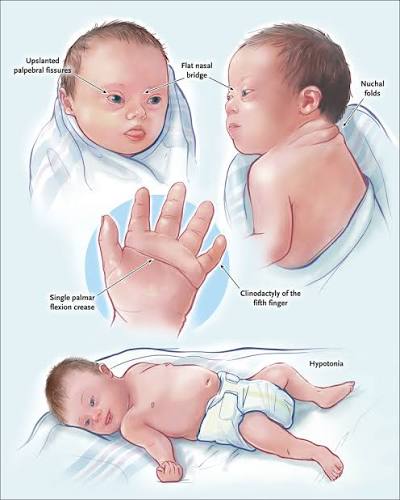
Inclusive Education for Down Syndrome Children in IndiaA warm, step‑by‑step guide for Indian parents and teachers on how to create truly inclusive clas…
🏫 Educator Resources · 01 Sep 2026
Teaching a Special Child: 5 Important Rules Every Special Educator Must FollowTeaching a special child is one of the most unique tasks — there is no fixed set of rules. As a sp…
🏫 Educator Resources · 27 Aug 2026
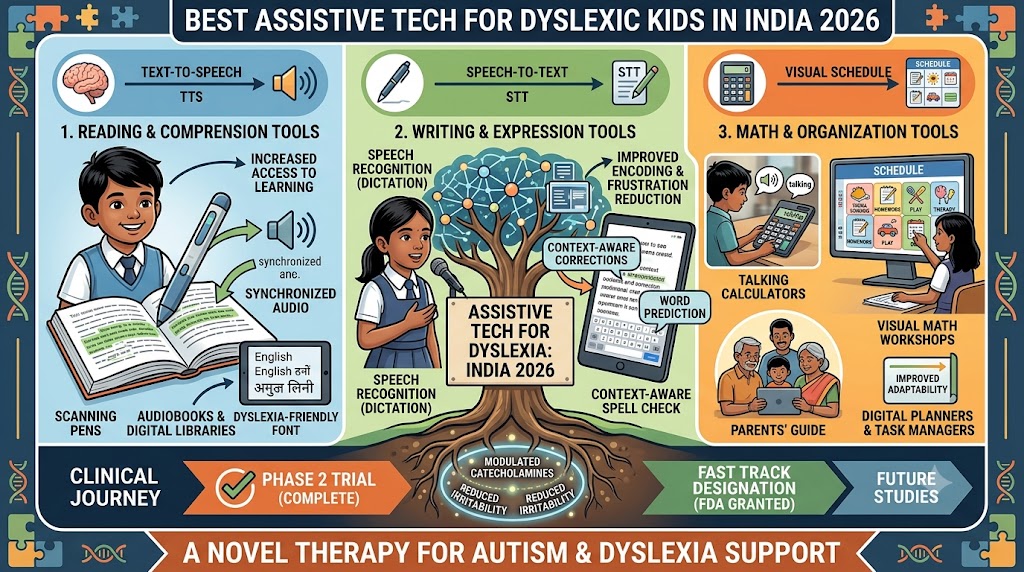
Best Assistive Tech for Dyslexic Kids in India 2026Discover the most effective assistive technologies for dyslexic children in India, from affordable a…