
Why This Guide Matters – A Real‑Life Hook
When Ananya’s mother, Meera, watched her three‑year‑old struggle to sit upright during a family puja, she felt a mix of love, worry, and helplessness. Like many Indian parents, she wondered: "Will my child ever walk? How do I find the right help without losing our cultural rhythm?" This guide answers those questions, offering clear, culturally relevant advice on physiotherapy for cerebral palsy (CP) across India.
Understanding Cerebral Palsy – The Basics for Parents
What Is Cerebral Palsy?
Cerebral palsy is a group of permanent movement and posture disorders caused by brain injury before, during, or shortly after birth. It affects muscle tone, coordination, and sometimes speech or cognition. In India, estimates suggest 2–3 children per 1,000 live births are diagnosed with CP.
Types of CP Commonly Seen in India
- Spastic CP – stiff muscles, most common (≈70%).
- Dyskinetic CP – involuntary movements.
- Ataxic CP – balance and coordination challenges.
How CP Impacts Daily Life
Children with CP may face difficulties in sitting, crawling, walking, feeding, and communication. The severity varies widely, which is why individualized therapy plans are essential.
📎 Related Free Resource · Autism Spectrum
What Is ABA Therapy for Autism? A Simple & Practical Guide for ParentsABA stands for Applied Behaviour Analysis. It is an approach to understanding how behavior and learning are influenced by a perso…
📥 Download FreeWhy Physiotherapy Is a Cornerstone of CP Management
Goals of Physiotherapy
- Improve muscle strength and flexibility.
- Enhance functional mobility (sitting, standing, walking).
- Prevent contractures and secondary orthopedic problems.
- Support independence in daily activities.
Evidence from Indian Research
Studies from AIIMS, New Delhi and NIMHANS, Bangalore show that regular physiotherapy, combined with early intervention, can improve Gross Motor Function Measure (GMFM) scores by 10‑15% within the first year of therapy.
Physiotherapy Landscape in India – Where to Find Help
Major Cities with Specialized Centers
- Delhi/NCR – AIIMS, Fortis Hospital, and private neuro‑rehab clinics.
- Mumbai – Kokilaben Dhirubhai Ambani Hospital, Khar Hospital.
- Bengaluru – NIMHANS, Apollo Children’s Hospital.
- Chennai – Government Medical College, Apollo Specialty Hospital.
- Kolkata – ILS Hospital, Calcutta Medical College.
Government and NGO Support
Several schemes make physiotherapy more affordable:
- Ayushman Bharat Pradhan Mantri Jan Arogya Yojana (PMJAY) – Covers up to INR 5,000 per month for physiotherapy in empanelled hospitals.
- Disability Pension (DP) – Provides a monthly allowance that can be allocated for therapy.
- National Trust’s Rehabilitation Grants – One‑time grants for equipment and home‑based therapy.
- NGOs such as Samarthanam Trust and Enable India – Offer low‑cost or free physiotherapy camps in tier‑2 cities.
Rural and Tier‑2/3 Options
Even in smaller towns, government Primary Health Centres (PHCs) now have physiotherapy assistants trained under the “Rehabilitation Services for Persons with Disabilities” program. Parents can request referrals from pediatricians or school counselors.
Choosing the Right Physiotherapist – A Practical Checklist
Credentials to Verify
- Registered with the Indian Association of Physiotherapists (IAP).
- Special training in pediatric neuro‑rehabilitation (e.g., DPT with a focus on CP).
- Experience with GMFCS (Gross Motor Function Classification System) levels.
Questions to Ask During the First Visit
- What is your approach to goal‑setting for a child with my child’s GMFCS level?
- How do you involve parents in home exercises?
- Can you coordinate with my child’s occupational therapist and speech therapist?
- What are the fees, and do you accept government schemes or insurance?
Red Flags
Avoid therapists who promise “miracle cures,” use overly aggressive stretching, or dismiss the need for family involvement.
Common Physiotherapy Techniques for CP
1. Stretching and Positioning
Gentle static stretches keep muscles supple and prevent contractures. Positioning devices (e.g., tilted tables, prone boards) encourage weight‑bearing.
2. Strengthening Exercises
Resistance bands, therapeutic balls, and functional activities (e.g., sit‑to‑stand) build muscle power without causing fatigue.
3. Gait Training
Use of walkers, ankle‑foot orthoses (AFOs), and treadmill training with body‑weight support improves walking patterns.
4. Balance & Proprioception
Activities on foam pads, balance beams, or yoga poses (adapted for children) enhance postural control.
5. Hydrotherapy
Warm water reduces spasticity and allows safe practice of movements. Cities like Pune and Hyderabad have dedicated pediatric pools.
Bringing Therapy Home – Everyday Strategies for Indian Families
Integrating Exercises with Daily Routines
- Morning Routine: While preparing breakfast, encourage your child to practice sit‑to‑stand while you pour tea.
- Festival Times: Use Diwali rangoli‑making as a balance activity—standing on one foot while placing colors.
- Joint Family Support: Grandparents can assist with gentle massage and passive stretching during evening storytelling.
Creating a Safe Play Space
Allocate a corner in the living room with a soft mat, foam blocks, and a low table. Keep it clutter‑free for wheelchair or walker access.
Home Exercise Log
Maintain a simple notebook or WhatsApp group where you record daily repetitions, pain levels, and any concerns. Sharing this with the therapist speeds up adjustments.
Financial Planning – Making Therapy Sustainable
Utilizing Insurance and Schemes
- Health Insurance: Many private insurers (e.g., Star Health, Apollo) cover physiotherapy after a waiting period of 30 days.
- State Disability Welfare Boards: Offer subsidies for assistive devices and therapy sessions.
Low‑Cost Alternatives
Community centres often run “Therapy Saturdays” where senior physiotherapy students under supervision provide free sessions. Check local NGOs or Rotary clubs.
Frequently Asked Questions by Indian Parents
Q1: How early should physiotherapy start?
Ideally within the first 6 months after diagnosis, as early neural plasticity yields better outcomes.
Q2: Will my child outgrow physiotherapy?
Therapy intensity may decrease as the child gains independence, but periodic “maintenance” sessions are advisable throughout schooling.
Q3: Can physiotherapy help with speech or cognition?
Directly, no. However, improved posture and breathing can facilitate speech therapy, and active movement stimulates brain regions linked to cognition.
Q4: Is hydrotherapy safe for children with seizures?
Yes, provided a qualified therapist monitors the child and a medical professional clears the activity.
Q5: How do I handle stigma in extended families?
Educate relatives with short, factual pamphlets (available from the National Trust) and invite them to observe a therapy session to demystify the process.
Key Takeaways
- Early, consistent physiotherapy significantly improves motor function and quality of life for children with CP.
- India offers a growing network of specialized centers, government schemes, and community resources to make therapy accessible.
- Choosing a qualified therapist, setting realistic goals, and involving the whole family are essential for success.
- Integrate exercises into daily Indian routines—festivals, meals, and joint‑family activities—to keep therapy fun and sustainable.
- Leverage insurance, PMJAY, disability pensions, and NGO grants to manage costs without compromising care.
Closing Thoughts – Empowered Parenting Journey
Every step your child takes, no matter how small, is a triumph of love, perseverance, and informed action. By understanding cerebral palsy, partnering with skilled physiotherapists, and weaving therapy into the vibrant tapestry of Indian life, you give your child the best chance to move, play, and thrive. Remember, you are not alone—your extended family, community groups, and a nation increasingly aware of disability rights stand ready to support you. Keep believing, keep moving forward, and celebrate each milestone along the way.
Free Resources Related to This Post
ABA stands for Applied Behaviour Analysis. It is an approach to understanding how behavio…
📥 Download FreePractical 2-page parent guide with warm illustrations of mom & child. Covers slow talk…
📥 Download FreeYou Might Also Find Helpful
🏫 Educator Resources · 21 Oct 2026
Identify Dyslexia in Your Child: A Guide for Indian ParentsDiscover practical ways to recognize dyslexia early in your child. This empathetic guide offers real…
🏫 Educator Resources · 12 Sep 2026
ADHD & Gifted Kids in India: Guide to Twice‑Exceptional LearnersDiscover how ADHD and giftedness can coexist in Indian children, why they are called twice‑excepti…
🏫 Educator Resources · 03 Sep 2026
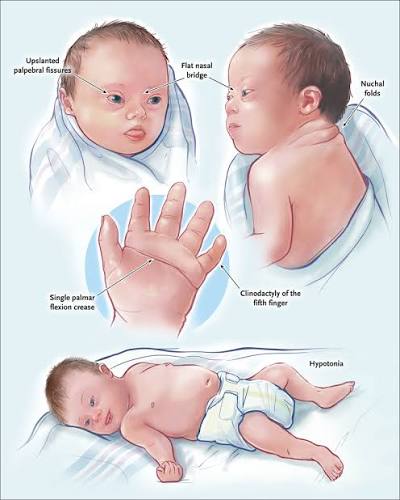
Inclusive Education for Down Syndrome Children in IndiaA warm, step‑by‑step guide for Indian parents and teachers on how to create truly inclusive clas…