Hook: A Day in the Life of an Indian Parent with an Autistic Child
Rashmi wakes up before sunrise in a bustling Mumbai apartment, prepares breakfast for her two children, and then spends the next hour calming her five‑year‑old son, Aarav, who is on the autism spectrum. The sound of the street vendors, the aroma of masala chai, and the constant hum of traffic create sensory overload for Aarav, while Rashmi juggles work‑from‑home deadlines and school emails. If this scene feels familiar, you are not alone. Millions of Indian families navigate similar challenges, searching for clear, actionable guidance that respects our cultural nuances.
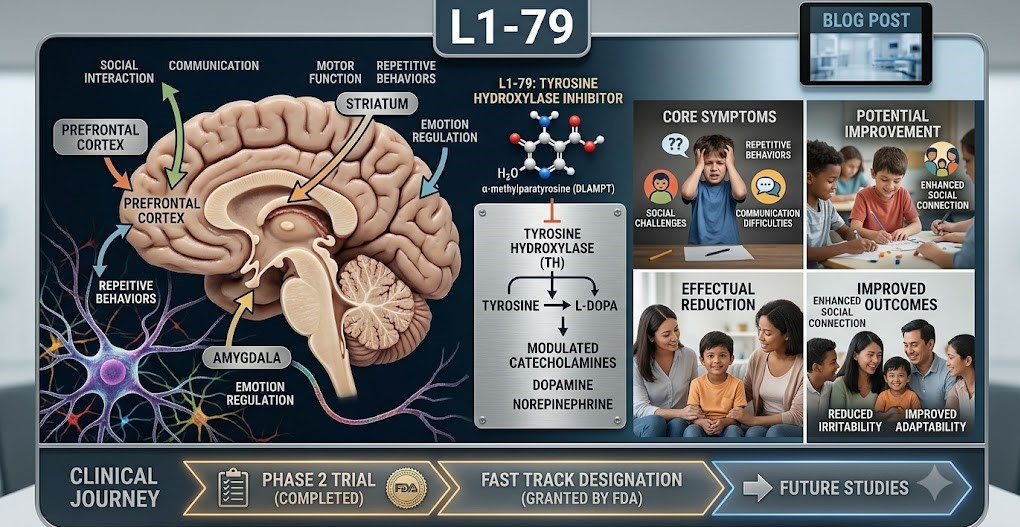
What Is “L1 79” and Why It Matters for Autism?
The term “L1 79” originates from the Ministry of Social Justice and Empowerment’s recent policy brief (2024) that outlines a tier‑based approach for early intervention in neurodevelopmental disorders. Section L1 (Level 1) focuses on low‑intensity, community‑driven support, while clause 79 emphasizes collaborative planning between families, schools, and therapists. Though the document is technical, its core message is simple: empower parents with structured, yet flexible, strategies that can be implemented at home and in the community.
Key Principles of L1 79 for Autism
- Family‑Centred Planning: Parents are the primary decision‑makers.
- Contextual Relevance: Strategies must fit Indian household dynamics, festivals, joint families, and regional languages.
- Resource Leveraging: Use government schemes (e.g., Integrated Child Development Services, Rashtriya Bal Swasthya Karyakram) alongside private therapy options.
- Continuous Monitoring: Regular feedback loops between home, school, and therapy providers.
Practical Suggestions Aligned with L1 79
Below are eight evidence‑based, culturally sensitive suggestions that Indian parents can start using today.
📎 Related Free Resource · Speech & Language
Best Home Speech Therapy Activities for Autism | Parent GuidePractical 2-page parent guide with warm illustrations of mom & child. Covers slow talking, picture cards (water, food, toilet)…
📥 Download Free1. Create Predictable Daily Routines with Visual Schedules
Indian households often have fluid schedules due to meals, prayers, and festivals. A visual timetable—using pictures, emojis, or simple Hindi/Tamil/Bengali words—helps autistic children anticipate transitions. Place the schedule near the kitchen or bedroom where the child can refer to it before meals (e.g., “Breakfast – 8 am – Idli & Sambhar”), after prayers, and before school.
2. Sensory‑Friendly Spaces at Home
Designate a quiet corner with soft lighting, a bean bag, and sensory toys (e.g., stress balls, kinetic sand). During Diwali, reduce loud firecracker sounds by using noise‑cancelling headphones or playing soft bhajans. This gives the child a safe retreat when the household becomes overwhelming.
3. Leverage Government Schemes for Therapy Support
Several central and state schemes fund speech, occupational, and behavioural therapy:
- National Trust’s Disability Rehabilitation Centre (DRC) Grants: Apply through your district’s Social Welfare Department.
- Early Intervention Services (EIS) under the Integrated Child Development Services (ICDS): Anganwadi workers can connect you with certified therapists.
- Ayushman Bharat – Pradhan Mantri Jan Arogya Yojana (PMJAY): Covers certain autism‑related therapies in accredited hospitals.
Maintain copies of your child’s diagnosis, Aadhar card, and income certificate to streamline the application.
4. Foster School Partnerships
Most Indian schools now have a “Special Education Needs” (SEN) coordinator, especially in metros like Delhi, Bengaluru, and Hyderabad. Request an Individualised Education Plan (IEP) that incorporates L1 79’s collaborative clause 79:
- Share the visual schedule and sensory strategies with the class teacher.
- Arrange for a “buddy system” where a peer helps the autistic child during group activities.
- Schedule monthly review meetings involving parents, teachers, and the school counsellor.
Document all communications via email or WhatsApp for future reference.
5. Use Low‑Cost Assistive Technology
Smartphones are ubiquitous in India. Free apps like “AutiTalk” (Hindi & English) provide picture‑exchange communication, while “Calm” offers guided breathing exercises that can be used before exams or during a meltdowns. Encourage the child to practice these apps during weekends.
6. Incorporate Cultural Strengths: Storytelling and Music
Traditional Indian storytelling (kathas) and rhythmic music can be therapeutic. Choose stories featuring characters with perseverance (e.g., “Hanuman’s Strength”) and sing simple lullabies in the child’s mother tongue. This not only builds language skills but also reinforces cultural identity.
7. Manage Sensory Triggers During Festivals
Festivals are joyous but can be overwhelming:
- Diwali: Replace loud firecrackers with “diya” lighting rituals; use scented candles instead of strong incense.
- Holi: Provide a plain white T‑shirt and limit colour powder exposure to a small, supervised area.
- Eid: Offer a quiet corner for prayer time and use soft lighting.
Prepare a “festival kit” with headphones, sunglasses, and a comfort object.
8. Build a Support Network Within the Joint Family
Joint families are common in India and can be a source of strength. Conduct a short “awareness session” (15‑20 minutes) for grandparents and cousins, explaining the child’s triggers and the simple strategies they can use (e.g., offering a visual cue, not insisting on eye contact). This reduces misunderstandings and promotes inclusive caregiving.
Implementing the Suggestions: A Step‑by‑Step Guide
Start small. Choose one suggestion that aligns with your immediate need and follow the three‑phase implementation model:
Phase 1: Preparation (Weeks 1‑2)
- Gather materials (pictures for schedule, sensory toys, app downloads).
- Identify a point‑person in the family or school who will champion the change.
Phase 2: Trial (Weeks 3‑4)
- Introduce the visual schedule during breakfast.
- Observe the child’s response and note any resistance.
- Adjust the schedule’s layout based on feedback.
Phase 3: Consolidation (Weeks 5‑8)
- Integrate the routine into school mornings.
- Share progress with the teacher and request feedback.
- Celebrate small wins—e.g., completing the schedule without prompting.
Document observations in a simple notebook or a Google Sheet accessible to all caregivers.
Monitoring Progress and Adjusting the Plan
Consistent tracking is a cornerstone of L1 79. Use the “ABC” (Antecedent‑Behaviour‑Consequence) chart to record episodes of meltdowns or breakthroughs. Review the chart weekly with the therapist or school counsellor and tweak the strategies accordingly. Remember, progress may be non‑linear; a setback during exam season is normal.
Key Takeaways
- Leverage the L1 79 framework to create family‑centred, culturally relevant autism support plans.
- Visual schedules and sensory‑friendly zones reduce daily anxiety for autistic children.
- Government schemes like ICDS, National Trust DRC, and PMJAY can subsidise therapy costs.
- Collaboration with schools through IEPs and regular reviews ensures continuity across environments.
- Low‑cost technology, storytelling, and music embed learning within Indian traditions.
- Engage the joint family as allies by sharing simple, actionable information.
Closing: Empowerment Through Community and Consistency
Rashmi’s mornings are still busy, but now she has a visual schedule on the fridge, a quiet corner for Aarav, and a supportive teacher who updates her weekly. Each small adjustment, rooted in the L1 79 philosophy, builds a scaffold that lets autistic children thrive amidst India’s vibrant, sometimes chaotic, tapestry. As a parent or educator, you hold the power to transform challenges into opportunities—one routine, one conversation, one compassionate gesture at a time. Embrace the journey, celebrate every milestone, and know that a stronger, more inclusive future for your child is well within reach.
Free Resources Related to This Post
You Might Also Find Helpful
🧩 Autism Corner · 21 Oct 2026
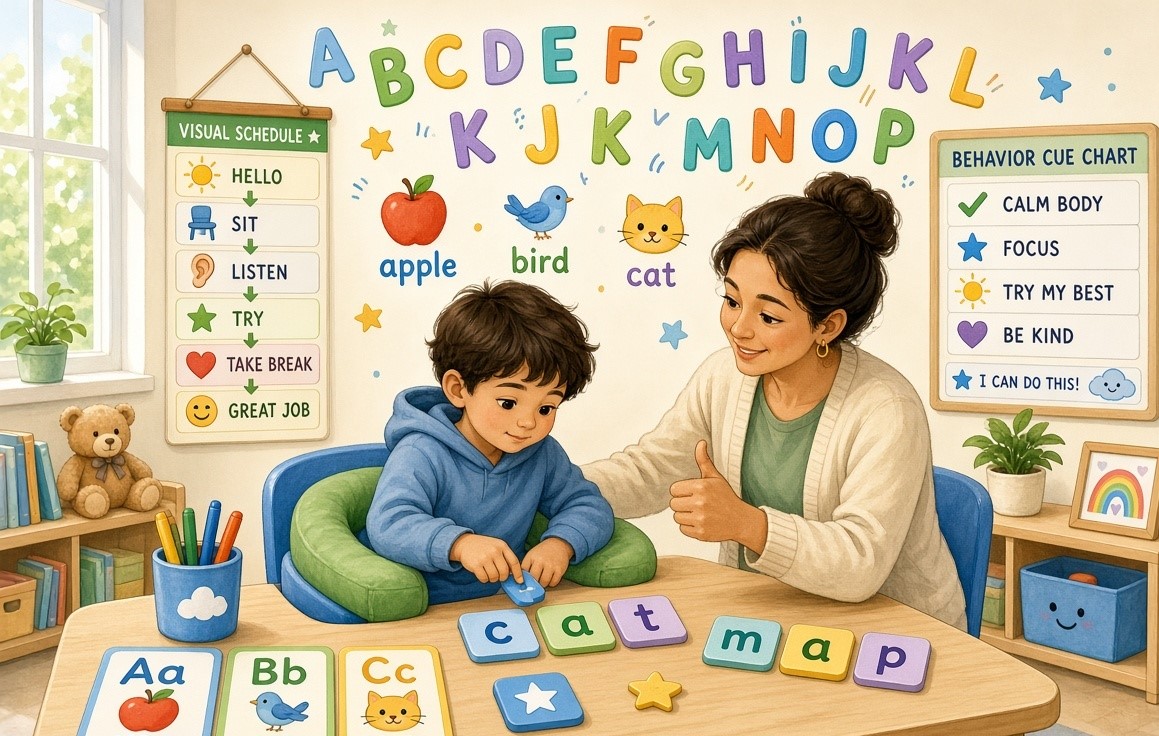
3‑Month Phonics Goal (A‑P) for Mild ASD: IEP Guide for 3‑7 yrA practical, step‑by‑step IEP plan for Indian parents and teachers to teach phonics (A‑P) over…
🧩 Autism Corner · 17 Sep 2026
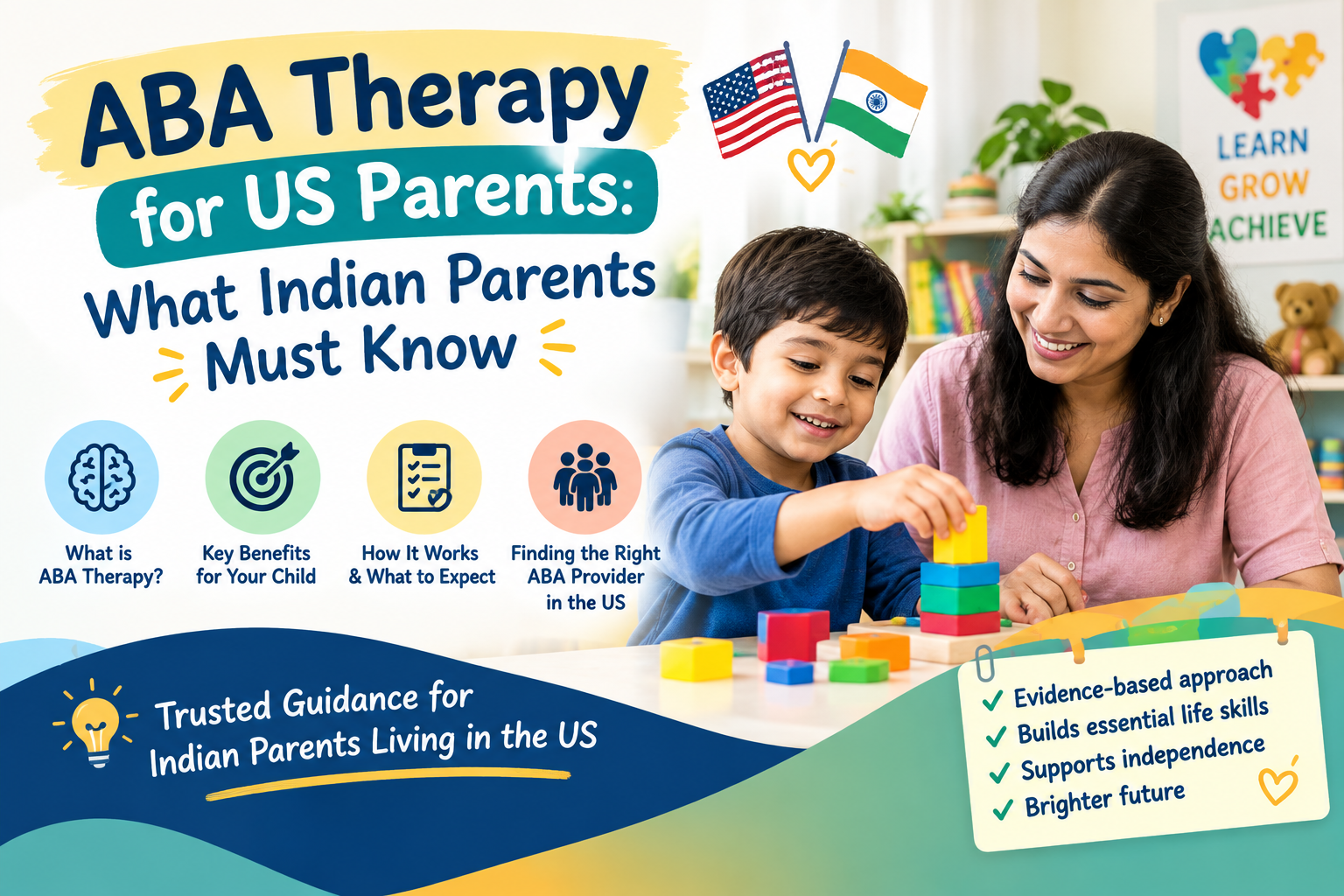
ABA Therapy for US Parents: What Indian Parents Must KnowDiscover the essential facts about ABA therapy in the United States that Indian parents and educator…

🧩 Autism Corner · 17 Sep 2026
ABA Therapy Global Results: What Indian Parents Need to KnowExplore the worldwide evidence behind Applied Behavior Analysis (ABA) therapy, understand how the da…