Why Inclusive Education Matters for Your Down‑Syndrome Child
Imagine watching your little one, Aarav, smile as he joins his classmates during the Diwali rangoli activity, his fingers carefully placing colored powders alongside theirs. That moment of belonging is what every Indian parent of a child with Down syndrome dreams of, yet many families still face schools that are unaware, unprepared, or simply reluctant to adapt. This guide is written for you—the parent, grandparent, teacher, or counselor—who wants to turn that dream into everyday reality across India’s diverse classrooms.
Understanding Down Syndrome in the Indian Context
Medical basics and everyday strengths
- Down syndrome (Trisomy 21) occurs in roughly 1 in 700 births in India, making it one of the most common genetic conditions.
- Children often display strong visual learning skills, empathy, and a love for music and rhythm—qualities that can enrich any classroom.
- Common challenges include mild to moderate intellectual disability, speech delays, and low muscle tone, which may affect handwriting or participation in sports.
What families notice early
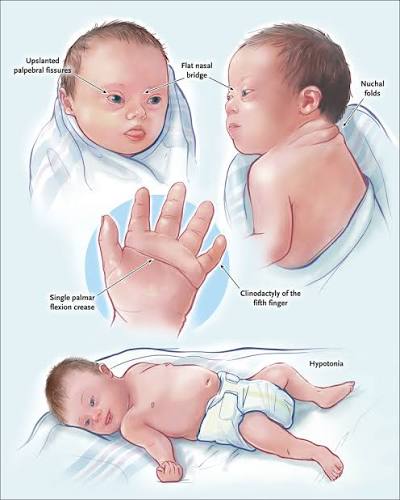
Early signs such as a flat facial profile, extra fingertip crease, and delayed speech can appear within the first year. Early intervention—speech therapy, physiotherapy, and inclusive play groups—lays the foundation for successful school integration.
Legal and Policy Landscape: Your Rights
National frameworks
- Right to Education (RTE) Act, 2009 – Guarantees free and compulsory education for all children aged 6‑14, including those with disabilities.
- Persons with Disabilities (Equal Opportunities, Protection of Rights) Act, 1995 (amended 2016) – Mandates reasonable accommodation in schools and defines “inclusive education.”
- National Education Policy (NEP) 2020 – Calls for Universal Design for Learning (UDL) and special educator training at the school level.
State‑specific schemes
Many states have added financial aid for assistive devices and teacher training. For example, Maharashtra’s Bal Vikas Yojana provides subsidies for wheelchair‑compatible desks, while Tamil Nadu’s Special Education Grant supports school‑based therapy.
Preparing Your Child and Family for Inclusion
Building a supportive home environment
- Use visual schedules at home—pictures of morning routines, school bag checklist, and bedtime story—to reinforce structure.
- Celebrate festivals together: involve your child in making rangoli or toran decorations to practice fine‑motor skills and cultural participation.
- Engage the joint family: enlist grandparents to read short stories daily, reinforcing language development while preserving family bonds.
Developing communication skills
Simple sign language, picture exchange communication system (PECS), and regular speech‑therapy sessions can bridge language gaps before school begins. Many NGOs in Delhi (e.g., Down Syndrome Society of Delhi) offer low‑cost group sessions.
Finding the Right Inclusive School
What to look for
- Inclusive policy statement on the school website or prospectus.
- Special educator on staff or regular training partnerships with NGOs.
- Accessible infrastructure – ramps, wide doorways, adjustable desks.
- Peer‑sensitization programs that teach classmates about diversity (often through story‑telling during festivals like Holi).
City‑wise examples
- Delhi: The Delhi Public School (DPS) network has a dedicated Inclusion Cell; many branches run “Buddy” programs during annual Annual Day rehearsals.
- Mumbai: The Bombay Scottish School partners with the Down Syndrome Foundation for weekly occupational‑therapy sessions.
- Bangalore: Green Valley School offers a “Universal Design” classroom where furniture can be re‑configured for motor‑skill needs.
- Chennai: The Besant Theosophical School integrates children with Down syndrome into mainstream classes using assistive software like Read&Write.
- Kolkata: St. Thomas’ School has a “Special Needs Club” that celebrates Durga Puja with inclusive rangoli workshops.
Classroom Strategies That Work
Teacher training and daily routines
Teachers who receive even a single day of inclusive‑education training report higher confidence. Practical steps include:
- Start the day with a visual timetable posted on the board.
- Use multi‑sensory instruction: combine oral explanations, tactile objects, and color‑coded worksheets.
- Allow extra time for tasks—e.g., a 10‑minute “quiet corner” for children who need a sensory break.
Assistive technology for Indian classrooms
Low‑cost tools can make a big difference:
- Tablet apps such as Kids A-Z (available in Hindi, Tamil, Telugu) for reading practice.
- Speech‑to‑text software like Google Live Transcribe helps children with expressive language delays.
- Adaptive pencils and grips – often distributed through the National Institute for the Empowerment of Persons with Multiple Disabilities (NIEPMD).
Peer sensitization and social inclusion
Children learn best from each other. Simple activities—like “buddy reading” during the school’s Republic Day assembly—encourage empathy. Teachers can use stories from Indian folklore (e.g., the friendship of Hanuman and Rama) to illustrate acceptance.
The Role of Parents and Joint Families
Collaborating with teachers
- Attend IEP (Individualised Education Plan) meetings regularly; bring concrete examples of your child’s strengths.
- Share home‑based activities—such as counting sweets during Makar Sankranti—to reinforce numeracy.
- Request periodic progress reports in the language you’re comfortable with (Hindi, Marathi, Bengali, etc.).
Leveraging community support
Many Indian cities host parent‑support groups. For instance, the Down Syndrome Support Group in Pune meets every second Saturday at the local community hall, offering a space to exchange resources, from therapy referrals to scholarship information.
Government Schemes and Financial Assistance
Key programmes
- Sarva Shiksha Abhiyan (SSA) – funds infrastructure upgrades for inclusive schools.
- Disability‑Specific Scholarship (DSS) – provides annual financial aid for tuition, books, and assistive devices.
- National Trust’s “Inclusive Education Initiative” – offers teacher‑training grants and curriculum adaptations.
How to apply
- Obtain a certified medical certificate from a pediatrician or geneticist.
- Visit your nearest District Education Office (DEO) with the certificate and proof of residence.
- Fill out the Form‑12 (Application for Admission of Children with Disabilities) and submit supporting documents (birth certificate, Aadhaar, school report).
- Follow up within 30 days; most states issue an “Inclusion Certificate” that schools must honor.
Building an Effective Individualised Education Plan (IEP)
Core components
- Current performance – baseline assessments in language, motor, and social skills.
- Specific, measurable goals – e.g., “By the end of Term 2, Aarav will write his name legibly on a lined paper three times a week.”
- Accommodations – preferential seating, extended time for exams, use of a scribe for essay questions.
- Therapy integration – schedule weekly speech and physiotherapy sessions within the school timetable.
Monitoring and revision
IEPs should be reviewed every term. Parents can keep a simple log (Google Sheets or a notebook) noting progress, challenges, and any new strengths observed during festivals, sports days, or cultural programs.
Community Resources and Continuing Support
National and regional NGOs
- Down Syndrome Society of India (DSSI) – offers counseling, legal aid, and a directory of inclusive schools.
- Special Children’s Trust, Hyderabad – provides weekend workshops on life‑skills and vocational training for older children.
- Pratham’s Inclusive Education Initiative – runs teacher‑training modules in rural districts of Uttar Pradesh and Bihar.
Online platforms
Websites like eSewa and SpecialEducationIndia.com list downloadable IEP templates, video tutorials in regional languages, and forums where parents share success stories from festivals like Navratri or school events.
Key Takeaways
- India’s legal framework (RTE, PPE Act, NEP 2020) guarantees the right to inclusive education for children with Down syndrome.
- Choose schools with clear inclusion policies, accessible infrastructure, and active special‑educator support.
- Use visual schedules, multi‑sensory teaching, and low‑cost assistive tech to bridge learning gaps.
- Engage the joint family and peer groups to create a culturally resonant support network.
- Apply for government scholarships and SSA‑funded upgrades early; keep all medical certificates handy.
- Regularly update the IEP, track progress, and celebrate achievements—big or small—during Indian festivals and school events.
Closing Thoughts
Inclusive education is not a distant ideal; it is a living, breathing process that thrives when parents, teachers, and the broader community walk together—hand in hand, like a family dancing to the beat of a tabla during a festive celebration. By understanding your child’s unique strengths, leveraging India’s legal protections, and embracing practical classroom strategies, you can ensure that every child with Down syndrome not only learns but also belongs, shines, and contributes to the vibrant tapestry of Indian society.
You Might Also Find Helpful
🏫 Educator Resources · 12 Sep 2026
ADHD & Gifted Kids in India: Guide to Twice‑Exceptional LearnersDiscover how ADHD and giftedness can coexist in Indian children, why they are called twice‑excepti…
🏫 Educator Resources · 01 Sep 2026
Teaching a Special Child: 5 Important Rules Every Special Educator Must FollowTeaching a special child is one of the most unique tasks — there is no fixed set of rules. As a sp…
🏫 Educator Resources · 27 Aug 2026
Best Assistive Tech for Dyslexic Kids in India 2026Discover the most effective assistive technologies for dyslexic children in India, from affordable a…