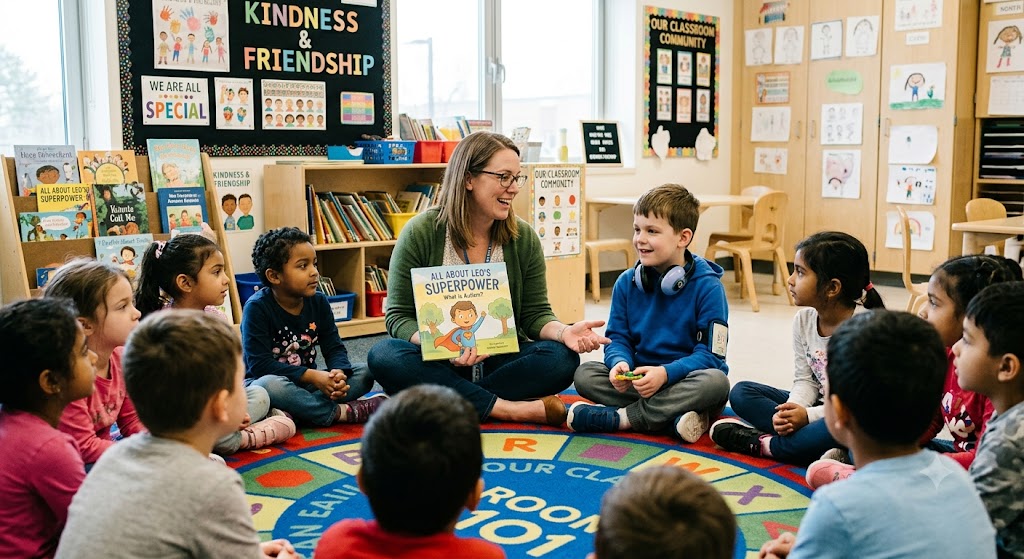
Why This Conversation Matters
Imagine your child returning home after a school day feeling isolated because classmates didn’t understand why they needed extra time on a maths test or why they sometimes covered their ears during a noisy assembly. In India’s bustling classrooms—from a government primary school in Delhi’s Lutyens Garden to a private kindergarten in Bengaluru’s Whitefield—peer perception can shape a child’s confidence, social skills, and long‑term academic success. Opening a respectful dialogue with classmates not only demystifies the child’s needs but also nurtures empathy, reduces bullying, and aligns with the Right to Education (RTE) Act’s mandate for inclusive education.
Preparing Yourself First
Reflect on Your Goals
- Clarify what you want classmates to know: the child’s strengths, the specific support they need, and how peers can help.
- Identify any cultural sensitivities—such as stigma around disability in certain joint‑family circles—and decide how much detail feels comfortable.
Gather Accurate Information
Consult your child’s teacher, school counselor, or special education therapist to ensure the facts you share are up‑to‑date. In India, many schools follow the Integrated Education for Disabled Children (IEDC) guidelines, which provide clear descriptors for Autism Spectrum Disorder, Attention‑Deficit/Hyperactivity Disorder, Dyslexia, and Down Syndrome.
Choose the Right Messenger
Depending on the child’s age and comfort level, you might lead the conversation yourself, ask the class teacher to moderate, or involve a trained peer‑mediator from the school’s inclusion club.
Understanding the Indian School Context
Indian classrooms often blend children from diverse linguistic backgrounds, religious festivals, and varying socioeconomic statuses. The concept of “classroom family” is strong; students frequently share lunch during festivals like Diwali or Holi, and peer acceptance is linked to group activities such as ragging (harmless teasing) or sports.
Recognising these dynamics helps you frame the conversation in familiar terms—using stories about teamwork during a cricket match or the collective spirit of a school’s annual function.
Timing and Setting the Conversation
Pick an Appropriate Moment
- Before the new term starts, when students are forming new friendships.
- During a scheduled “Values & Life Skills” session, which many Indian schools allocate for moral education.
- After a relevant event—e.g., following a school’s “World Autism Awareness Day” celebration.
Create a Safe Physical Space
Arrange the talk in a calm area—perhaps the school library or an empty classroom—so that children feel comfortable asking questions without the pressure of a full‑class audience.
Crafting the Message: What to Say and How
Use Simple, Positive Language
Instead of medical jargon, describe the child’s needs in everyday terms. For example:
- “Riya sometimes needs a little extra time to finish reading because her brain works a bit differently.”
- “Arjun finds it hard to sit still for long periods, so he may stand up or move around during lessons.”
Highlight Strengths First
Indian parents often worry about focusing on challenges. Begin with the child’s talents—maybe they excel at drawing, storytelling, or solving puzzles—so peers see the whole person, not just the disability.
Explain Specific Behaviors
Give concrete examples that classmates can recognise:
- “If you see Maya covering her ears, it means the noise is too much for her ears right now.”
- “When you hear Karan ask the teacher to repeat a question, he is making sure he understands because reading can be tricky for him.”
Invite Helpful Actions
Suggest simple, age‑appropriate ways peers can support:
- “You can sit next to Neha during group work so she doesn’t feel left out.”
- “If you notice a friend getting frustrated, give them a friendly smile or a gentle “Are you okay?”
Address Common Myths
Gently correct misconceptions that may arise in Indian contexts, such as “disabilities are a curse” or “they can’t learn.” Use factual statements: “Children with autism can learn math, music, and art just like anyone else; they just need the right tools.”
Role‑Playing and Interactive Activities
Active learning resonates with Indian students. Organise a short role‑play where volunteers act out scenarios—like a classmate asking for a break or using a visual schedule. Afterwards, discuss feelings and how the class can respond positively.
Partnering with Teachers and Support Staff
Teachers are the linchpin of inclusive practice. Share the conversation plan with them, request that they reinforce key messages during daily routines, and ask them to monitor peer interactions. In many Indian schools, the “Special Educator” or “Counsellor” can co‑facilitate the session, adding professional credibility.
Handling Questions and Emotional Reactions
Common Questions
- “Why does my friend need a wheelchair?” – Explain that some bodies need extra support to move.
- “Can we still play together?” – Emphasise that play is inclusive; adaptations may be needed.
Managing Fear or Curiosity
If a child reacts with fear, reassure them that differences are normal, much like the variety of languages spoken across India—from Hindi to Tamil to Bengali. Encourage them to share their own experiences of being different, fostering mutual respect.
Leveraging Indian Resources and Schemes
Point classmates and parents to government initiatives such as the “Sarva Shiksha Abhiyan” (SSA) and the “National Trust” which fund inclusive classrooms, assistive devices, and teacher training. Mention NGOs like “Akshara Foundation” in Mumbai or “Sankalp” in Delhi that run peer‑awareness workshops.
Maintaining Ongoing Dialogue
One conversation is rarely enough. Schedule periodic check‑ins—perhaps during the school’s “Parent‑Teacher Meeting” (PTM) season or after major festivals when families gather. Celebrate small wins, like a classmate remembering to use a visual cue, to reinforce positive behavior.
Key Takeaways
- Start with empathy: share strengths before challenges.
- Use simple, culturally relevant language and concrete examples.
- Involve teachers, counsellors, and existing inclusion clubs.
- Provide clear, actionable ways classmates can help.
- Connect the discussion to Indian schemes like SSA and the National Trust.
- Keep the conversation alive through regular check‑ins and celebrations.
Empowering Closing Thought
When you open the door for classmates to understand and support your child, you are not only enriching your child’s school experience—you are planting the seeds of a more compassionate, inclusive India. Every child, whether they speak Hindi, Malayalam, or Punjabi, deserves a classroom where differences are celebrated like the colors of Holi. With patience, clear communication, and the right community allies, you can turn that vision into reality for your child and their peers.
You Might Also Find Helpful
🧩 Autism Corner · 21 Oct 2026
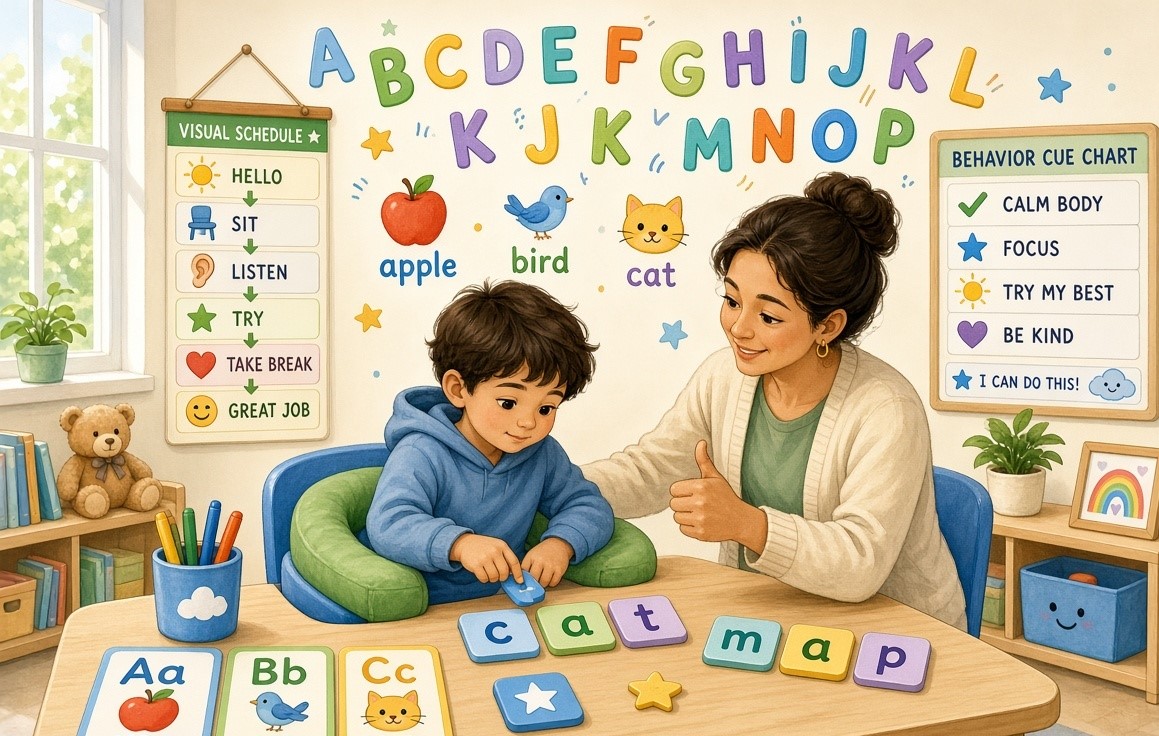
3‑Month Phonics Goal (A‑P) for Mild ASD: IEP Guide for 3‑7 yrA practical, step‑by‑step IEP plan for Indian parents and teachers to teach phonics (A‑P) over…
🧩 Autism Corner · 17 Sep 2026
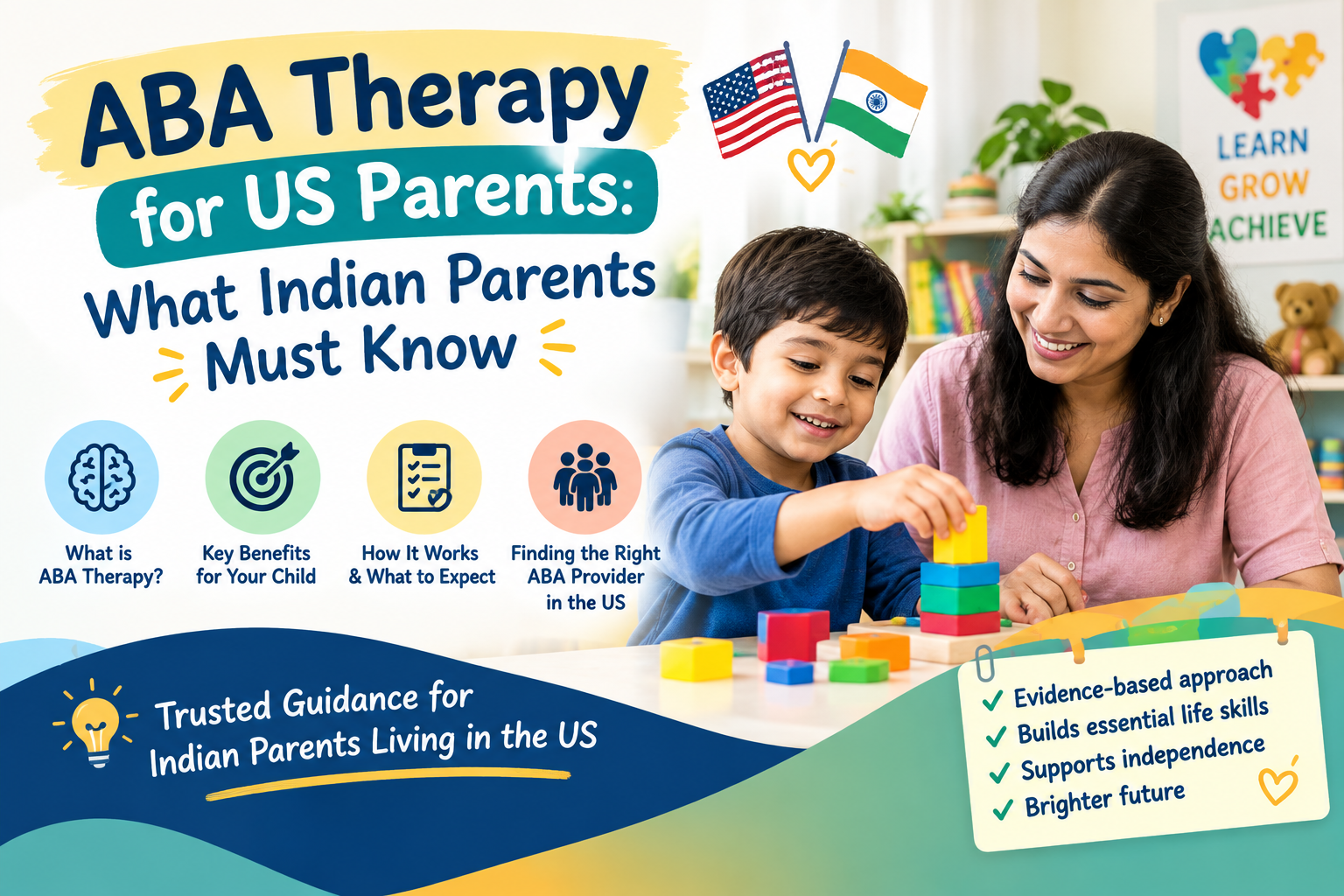
ABA Therapy for US Parents: What Indian Parents Must KnowDiscover the essential facts about ABA therapy in the United States that Indian parents and educator…
🧩 Autism Corner · 17 Sep 2026
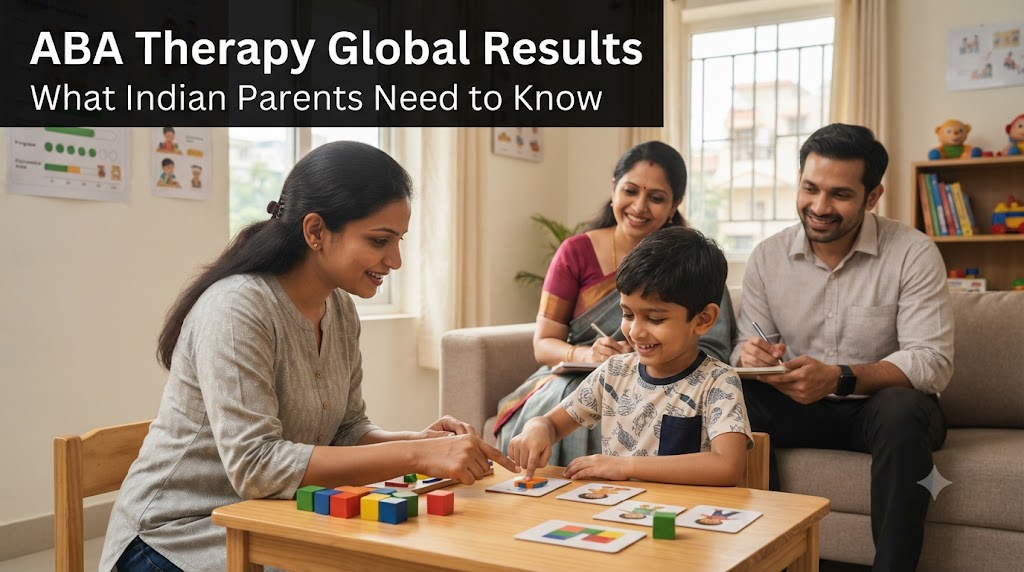
ABA Therapy Global Results: What Indian Parents Need to KnowExplore the worldwide evidence behind Applied Behavior Analysis (ABA) therapy, understand how the da…