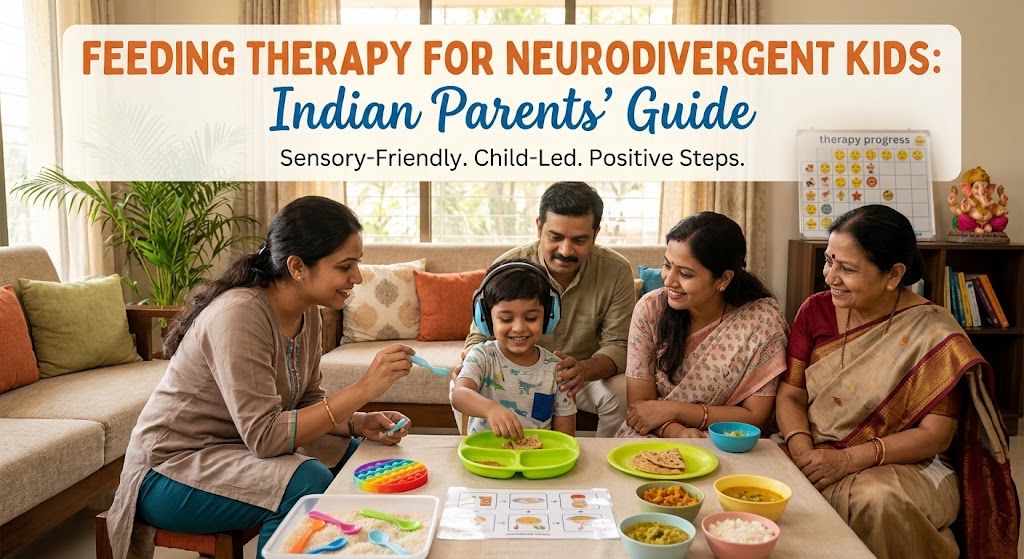
Why This Matters to You Right Now
It is Diwali, the table is laden with sweets, and your 7‑year‑old with autism pushes the plate away, eyes fixed on the television. You feel a knot of worry, guilt, and frustration. You are not alone. Across Mumbai, Delhi, Bangalore and smaller towns, parents of neurodivergent children face the same heart‑wrenching scene every day. This guide demystifies feeding therapy, offering clear steps that respect Indian family dynamics, school routines, and the unique sensory world of your child.
Understanding Feeding Refusal in Neurodivergent Children
What is feeding refusal?
Feeding refusal is more than a temporary dislike for a particular food. It is a pattern where a child consistently avoids eating, leading to inadequate nutrition, weight concerns, and family stress. For children on the autism spectrum, with ADHD, Down syndrome or other neurodevelopmental differences, the underlying reasons often intersect with sensory processing, communication challenges, and anxiety.
Common Triggers Specific to Indian Context
- Spice and texture overload: Indian cuisine is rich in spices, varied textures (gravy, dry fry, lentils) that can overwhelm a child who is hypersensitive to taste or mouthfeel.
- Joint‑family pressure: Grandparents and relatives may unintentionally pressure the child to finish food, increasing anxiety.
- Festival foods: Sudden changes in diet during festivals (sweets, fried snacks) can disrupt routine and trigger refusals.
- School lunch changes: Transition from home‑packed meals to government‑run mid‑day meals (MDM) may introduce unfamiliar flavors.
Early Signs and When to Seek Professional Help
Recognising red flags early can prevent nutritional deficits and long‑term aversions. Watch for:
📎 Related Free Resource · Speech & Language
Best Home Speech Therapy Activities for Autism | Parent GuidePractical 2-page parent guide with warm illustrations of mom & child. Covers slow talking, picture cards (water, food, toilet)…
📥 Download Free- Consistently eating less than 70% of a typical portion for age.
- Weight loss or failure to gain weight over three months.
- Extreme distress (crying, aggression) at the sight of certain foods.
- Limited diet of only 3‑5 foods for more than six months.
- Signs of oral‑motor difficulties such as gagging, chewing problems, or drooling.
If two or more of these persist, consult a pediatrician, a speech‑language pathologist (SLP) trained in feeding, or a occupational therapist (OT) with sensory expertise. Many Indian cities have specialised centres – e.g., The Autism Centre in Pune, Child Development Clinic in Kolkata, or NIMHANS in Bangalore.
Assessment & Professional Support
Professional assessment typically includes:
- Medical review: Rule out gastro‑intestinal issues, allergies, or reflux.
- Oral‑motor evaluation: Conducted by an SLP to assess chewing, swallowing, and tongue movement.
- Sensory profile: An OT identifies hypersensitivities to taste, smell, temperature, and texture.
- Behavioral analysis: Understanding the function of refusal – is it escape, attention‑seeking, or sensory avoidance?
Based on findings, a personalised feeding therapy plan is crafted, often blending sensory integration, behavioral techniques, and nutritional guidance.
Home‑Based Strategies That Work in Indian Households
1. Create Predictable Mealtime Routines
Indian families thrive on routine. Establish a consistent mealtime schedule – for example, breakfast at 8 am, lunch at 12:30 pm, and dinner at 7 pm – and stick to it even on weekends. Use a visual timetable with pictures of plates, utensils, and the child’s name to signal the sequence.
2. Sensory‑Friendly Food Modifications
- Temperature control: Offer lukewarm dal instead of piping hot, as extreme heat can be distressing.
- Texture blending: Puree vegetables into the rice or chapati dough to gradually introduce new textures.
- Flavor moderation: Reduce chili powder and replace with milder spices like cumin or coriander for the first few weeks.
3. Play‑Based Feeding
Turn the plate into a playground. Use colourful silicone molds to shape rice or curd into familiar shapes (stars, hearts). Let the child explore the food with fingers before using a spoon – a technique endorsed by Indian OT Dr. Shweta Joshi.
4. Gradual Exposure (Systematic Desensitisation)
Follow the “step‑up” method:
- Place the new food on the plate without expectation of eating – just let the child look, touch, or smell.
- After a few days, encourage the child to pick up the food with a finger and bring it to the mouth, even if they just taste a tiny crumb.
- Progress to using a spoon, then to taking a full bite, rewarding each success with praise or a preferred activity.
Patience is key; some children need 10‑15 exposures before acceptance.
5. Positive Reinforcement Without Food Bribes
Use non‑food rewards that align with Indian culture – extra story time, a short trip to the park, or a sticker of a beloved Bollywood star. Avoid using sweets as a reward, as this can reinforce the idea that “good” food is boring.
6. Involve the Whole Family
Explain the plan to grandparents, aunts, and cousins. Encourage them to model eating the same foods and to avoid pressuring the child. When the entire family eats together, the child feels less singled out.
Collaboration with Schools and Therapists
Many Indian schools now have inclusive classrooms and counsellors trained in special education. Share the feeding plan with the class teacher and the school’s nutritionist. Request:
- Permission for the child to keep a “comfort food” snack in a sealed container.
- Quiet, low‑stimulus eating corners during lunch.
- Regular check‑ins with the school OT for progress monitoring.
For children enrolled in government schemes like the Integrated Child Development Services (ICDS) or the Mid‑Day Meal Scheme, inform the cook about the child’s sensory needs so they can prepare a milder version of the meal.
Government Schemes & Financial Assistance
India offers several avenues to support feeding therapy costs:
- Ayushman Bharat Pradhan Mantri Jan Arogya Yojana (AB‑PMJAY): Covers outpatient therapy sessions in accredited hospitals.
- Disability Pension (Under the Rights of Persons with Disabilities Act): Provides monthly financial aid that can be allocated to therapy.
- State‑specific schemes: Tamil Nadu’s “Special Education Programme” and Maharashtra’s “Special Children’s Welfare Fund” often reimburse therapy fees.
Maintain detailed invoices and therapy reports to claim reimbursements.
Frequently Asked Questions (FAQs)
Can I use supplements instead of real food?
Supplements can bridge short‑term gaps but should never replace a balanced diet. Consult a paediatric nutritionist before introducing any formula.
Is it safe to force‑feed during festivals?
Force‑feeding can heighten anxiety and worsen refusals. Offer a small, familiar bite alongside festive foods and celebrate any attempt, however tiny.
How many therapy sessions are typically needed?
Most children show measurable progress after 8‑12 weekly sessions, but maintenance continues for several months. Frequency may reduce to bi‑weekly once goals are met.
Key Takeaways
- Feeding refusal often stems from sensory overload, anxiety, or communication gaps, especially in neurodivergent children.
- Early identification and professional assessment prevent nutritional deficiencies and long‑term aversions.
- Consistent routines, sensory‑friendly food modifications, and play‑based exposure are effective home strategies.
- Involve the joint family, school staff, and therapists to create a supportive ecosystem.
- Leverage Indian government schemes such as AB‑PMJAY and state disability funds to offset therapy costs.
Empowering the Journey Ahead
Remember, every small bite is a victory, and every patient moment builds confidence for both you and your child. With culturally‑aware strategies, professional guidance, and the love of a supportive family, feeding therapy can transform mealtimes from battles into bonding experiences. You have the knowledge, resources, and compassion – now turn that power into progress, one spoonful at a time.
Free Resources Related to This Post
You Might Also Find Helpful
🧩 Autism Corner · 21 Oct 2026
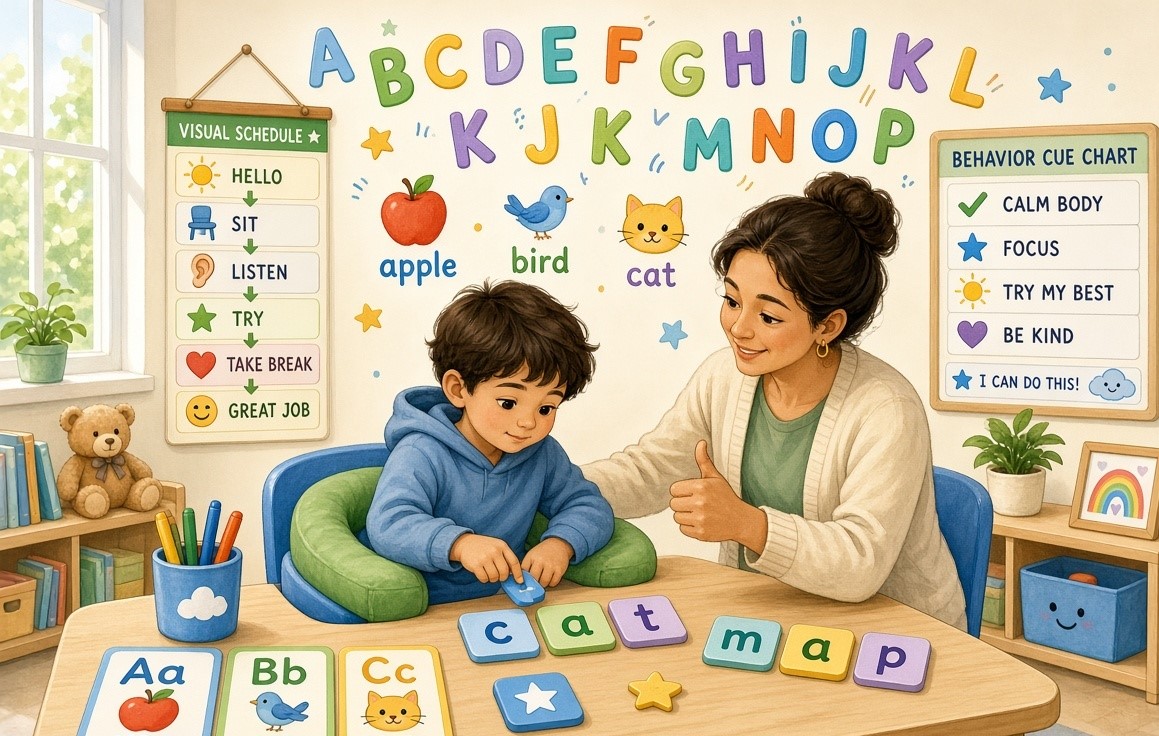
3‑Month Phonics Goal (A‑P) for Mild ASD: IEP Guide for 3‑7 yrA practical, step‑by‑step IEP plan for Indian parents and teachers to teach phonics (A‑P) over…
🧩 Autism Corner · 17 Sep 2026
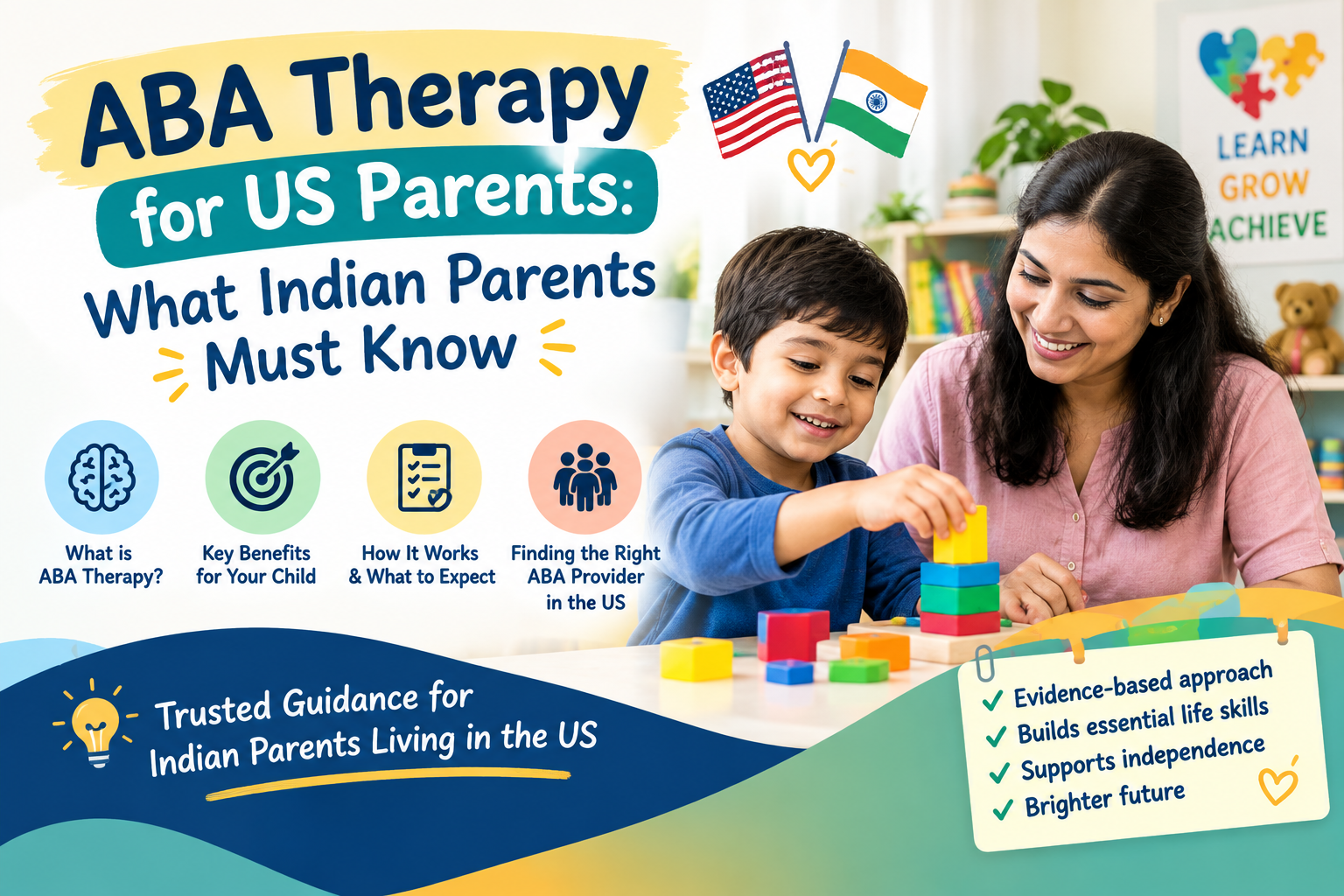
ABA Therapy for US Parents: What Indian Parents Must KnowDiscover the essential facts about ABA therapy in the United States that Indian parents and educator…

🧩 Autism Corner · 17 Sep 2026
ABA Therapy Global Results: What Indian Parents Need to KnowExplore the worldwide evidence behind Applied Behavior Analysis (ABA) therapy, understand how the da…