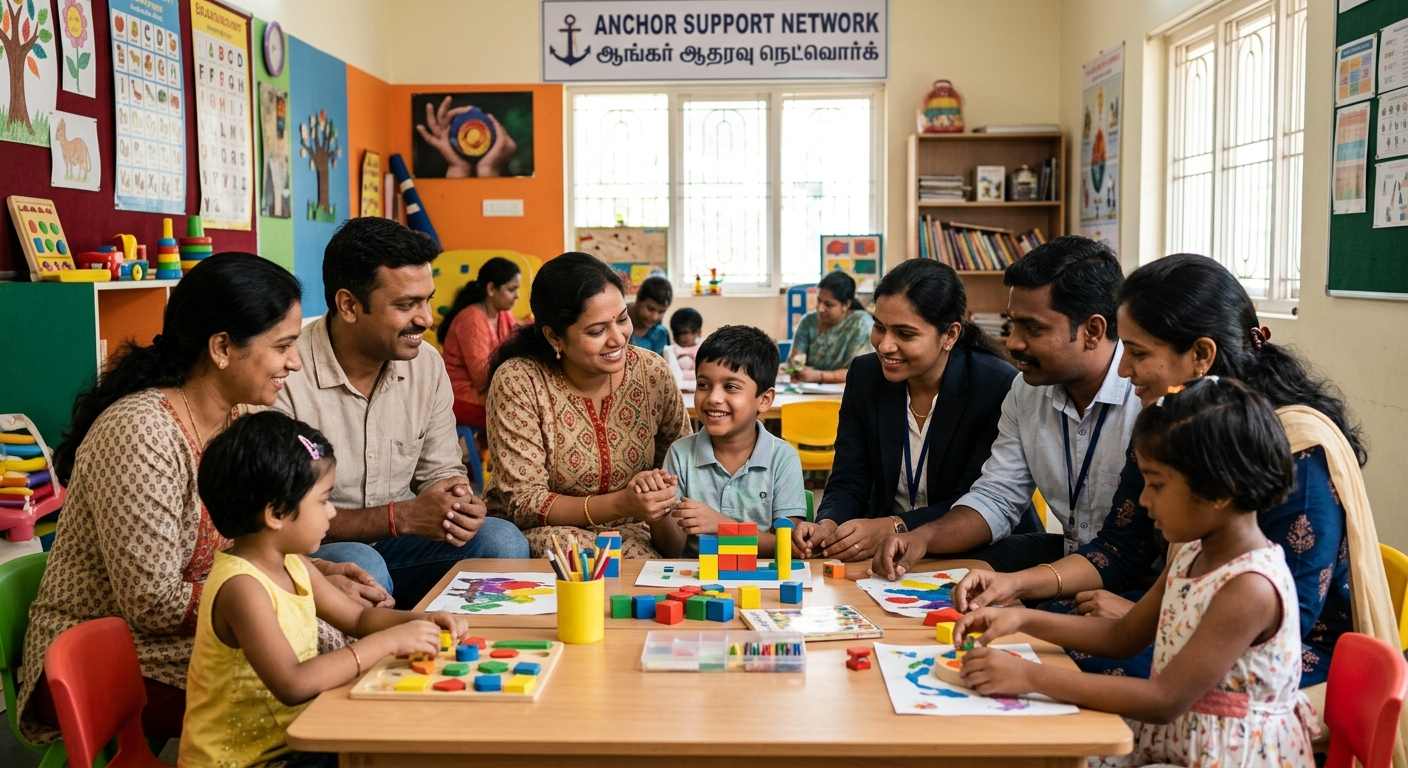
Why a Support Network Matters
Imagine standing at a bustling railway station in Delhi during the monsoon, clutching a rain‑soaked stroller while your child, who is autistic, becomes overwhelmed by the noise and crowds. The anxiety you feel is real, and the feeling that you are navigating this journey alone can be crushing. A strong support network turns that solitary struggle into a shared journey, giving you practical help, emotional relief, and a sense of belonging.
Mapping Your Inner Circle
1. Immediate Family and Joint Household
- Spouse/partner: Share responsibilities for therapy appointments, school meetings, and daily routines. Schedule weekly check‑ins to discuss progress and challenges.
- Grandparents and extended relatives: In many Indian homes, grandparents play a pivotal role. Educate them about autism basics so they can offer respectful assistance rather than well‑meaning but misguided advice.
- Siblings: Encourage age‑appropriate involvement. Simple tasks like reading a picture book together can foster empathy and reduce feelings of exclusion.
2. Close Friends and Neighbours
Friends who understand your child's needs can become "on‑call" allies—whether it’s watching for a short period, helping with grocery runs, or simply offering a listening ear after a tough day at school.
Connecting with Schools and Educators
India’s education system is diverse, ranging from government schools to private international institutions. Regardless of the setting, proactive collaboration with educators is essential.
📎 Related Free Resource · Speech & Language
Best Home Speech Therapy Activities for Autism | Parent GuidePractical 2-page parent guide with warm illustrations of mom & child. Covers slow talking, picture cards (water, food, toilet)…
📥 Download FreeUnderstanding the IEP Process
The Right of Children to Free and Compulsory Education Act (RTE) and the National Education Policy 2020 promote inclusive education. Request an Individualised Education Plan (IEP) for your child. When discussing the IEP:
- Bring a clear list of your child’s strengths and challenges.
- Ask the teacher to suggest classroom accommodations (e.g., visual schedules, sensory‑friendly corners).
- Set measurable goals and a timeline for review.
School‑Based Resources
- Special educators: Many urban schools in Mumbai, Bengaluru, and Hyderabad have dedicated special educators who can conduct regular assessments.
- Therapy rooms: Look for schools that provide on‑site speech, occupational, or behavioral therapy.
- Parent‑Teacher Associations (PTAs): Join the PTA to stay informed about policy changes and to advocate for better resources.
Leveraging Government Schemes
India offers several schemes that can ease the financial and logistical burden of raising an autistic child.
Key Programs
- National Trust (NTRUST): Provides financial assistance for therapy, assistive devices, and skill‑development programs. Apply through the nearest State Disability Welfare Board.
- ADIP Scheme (Assistance to Disabled Persons): Offers a one‑time grant for assistive technology, such as communication devices.
- Rashtriya Bal Swasthya Karyakram (RBSK): Free screening and early intervention services at district hospitals.
- Integrated Child Development Services (ICDS): Some Anganwadi centres now include early identification for developmental delays.
How to Navigate the Paperwork
Start with a medical certificate from a qualified pediatric neurologist or psychiatrist. Then, approach the State Disability Welfare Board with the certificate, proof of residence, and a completed application form. Many NGOs in cities like Pune and Chandigarh offer free assistance in completing these forms.
Finding Community Support
Community groups provide emotional solidarity, shared resources, and opportunities for social interaction for both parents and children.
Offline Groups
- Local NGOs: Organizations such as Autism Society of India (Delhi), Spandan (Bengaluru), and Samarth (Chennai) hold regular meet‑ups and workshops.
- Parent Support Groups: Look for WhatsApp or Telegram groups dedicated to parents in your city. They often share therapist recommendations, school reviews, and coping strategies.
- Special Needs Playgroups: Community centres in Jaipur and Kolkata host sensory‑friendly play sessions during weekends and holidays like Diwali or Pongal.
Online Platforms
When geography limits in‑person meet‑ups, turn to digital spaces:
- Autism Parent India – forums, webinars, and a directory of Indian therapists.
- Facebook groups such as “Autism Parents India” and “Special Education India” – active discussions and peer‑to‑peer advice.
- Instagram pages of Indian special educators (e.g., @specialedguru) – bite‑size tips and live Q&A sessions.
Professional Allies: Therapists, Doctors, and Counselors
Choosing the right professionals can feel overwhelming, especially with varying qualifications across the country.
Criteria for Selecting a Therapist
- Credentials: Look for certifications from recognized bodies like the Indian Association of Clinical Psychologists (IACP) or the Rehabilitation Council of India (RCI).
- Specialisation: Ensure the therapist has experience with autism (e.g., ABA, speech‑language pathology, sensory integration).
- Location & Cost: Urban centres offer more options, but many therapists now provide tele‑therapy at reduced rates.
Building a Collaborative Team
Share progress notes with all team members—teacher, therapist, pediatrician—to maintain consistency across settings. Use a simple spreadsheet or a free app like Google Keep to track appointments, goals, and observations.
Creating a Sensory‑Friendly Home Environment
Home is the first therapeutic space. Small, culturally relevant adjustments can make a big difference.
Practical Tips
- Designate a quiet corner with soft cushions, dim lighting, and familiar Indian toys (e.g., wooden blocks, cloth dolls).
- Use visual schedules printed on A4 paper with pictures of daily activities—morning routine, school, therapy, meals.
- Incorporate calming scents like sandalwood or jasmine during meditation or bedtime.
- During festivals (e.g., Holi, Navratri), prepare a sensory‑friendly plan: limit exposure to loud drums, offer noise‑cancelling headphones, and give the child a clear timeline of events.
Financial Planning and Sustainability
Therapies, assistive devices, and private schooling can strain family finances. A proactive plan helps avoid burnout.
Budgeting Strategies
- Set aside a monthly “therapy fund”—even a modest INR 2,000 can accumulate over a year.
- Explore employer‑sponsored health insurance that covers mental health and rehabilitation services.
- Apply for scholarships offered by NGOs, corporate CSR initiatives (e.g., Tata Trusts), and state education departments.
Legal Rights
The Rights of Persons with Disabilities Act (RPWD) 2016 guarantees free education up to 12th grade, reasonable accommodation at workplaces, and protection against discrimination. Keep copies of the disability certificate handy when dealing with schools or government offices.
Maintaining Your Own Well‑Being
Parents often neglect self‑care, yet a resilient caregiver is the backbone of any support network.
- Schedule weekly “parent‑only” time—whether it’s a yoga class, a walk in the garden, or a cup of chai with a friend.
- Join caregiver support groups that focus on stress‑management techniques specific to Indian cultural contexts.
- Consider professional counseling to process grief, guilt, or anxiety that may arise.
Key Takeaways
- Start with the people closest to you—spouse, grandparents, siblings—and educate them about autism.
- Proactively engage schools: request an IEP, suggest classroom accommodations, and join PTAs.
- Utilise Indian government schemes like NTRUST, ADIP, and RBSK for financial aid and therapy services.
- Join local and online parent communities to share resources, emotional support, and practical tips.
- Build a multidisciplinary professional team and keep communication consistent across home and school.
- Prioritise your own mental health to sustain long‑term advocacy for your child.
Empowering the Journey Ahead
Every Indian parent walking this path brings unique strengths—whether it’s the warmth of a joint family, the resilience forged during monsoon seasons, or the rich cultural tapestry of festivals that teach us celebration in every form. By weaving together family, schools, government resources, professionals, and community allies, you create a safety net strong enough to catch any challenge and flexible enough to let your child soar. Remember, you are not alone; the network you build today becomes the foundation for a brighter, more inclusive tomorrow for your autistic child and countless families across India.
Free Resources Related to This Post
You Might Also Find Helpful
🧩 Autism Corner · 21 Oct 2026
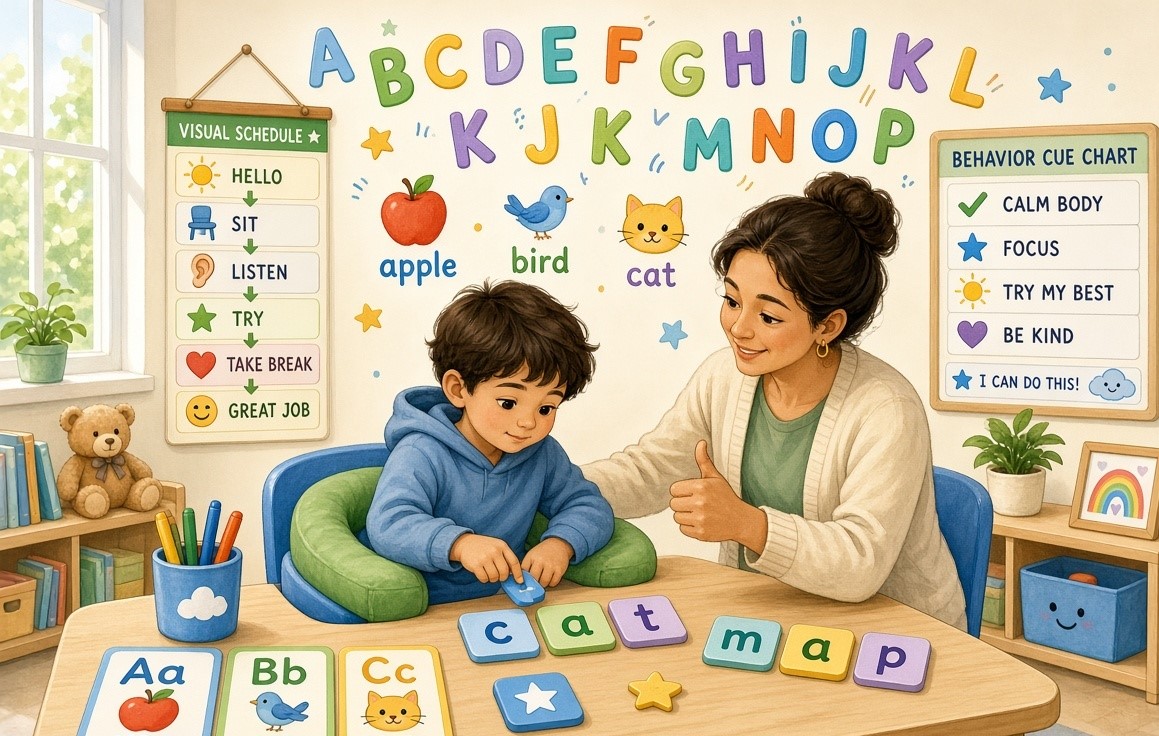
3‑Month Phonics Goal (A‑P) for Mild ASD: IEP Guide for 3‑7 yrA practical, step‑by‑step IEP plan for Indian parents and teachers to teach phonics (A‑P) over…

🧩 Autism Corner · 17 Sep 2026
ABA Therapy for US Parents: What Indian Parents Must KnowDiscover the essential facts about ABA therapy in the United States that Indian parents and educator…

🧩 Autism Corner · 17 Sep 2026
ABA Therapy Global Results: What Indian Parents Need to KnowExplore the worldwide evidence behind Applied Behavior Analysis (ABA) therapy, understand how the da…