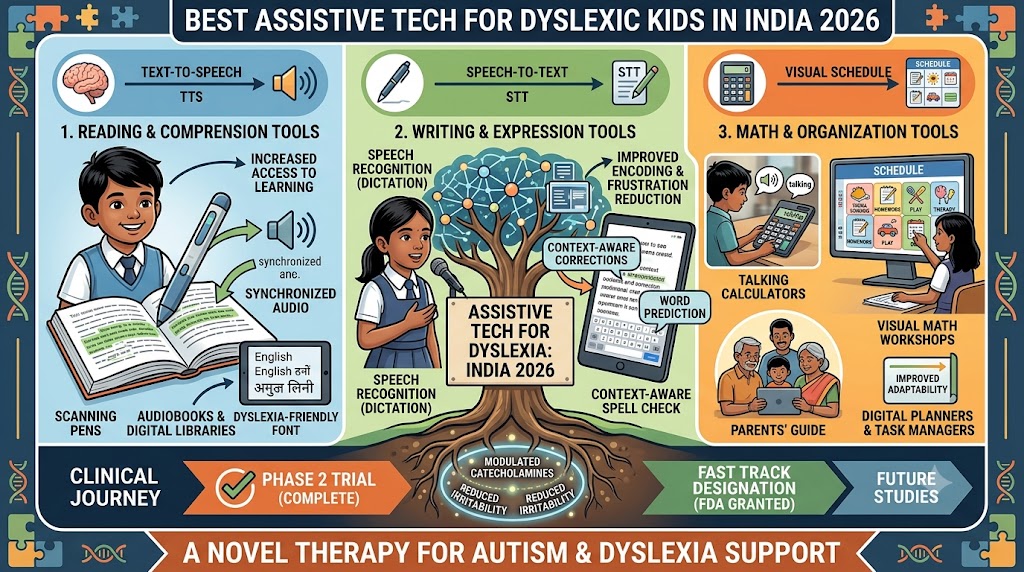
Imagine watching your child struggle to read the invitation for Diwali, the letters blurring together while classmates breeze through the same page. You feel helpless, yet you also sense a spark of curiosity: could the right tool turn that frustration into confidence? This guide walks you through the assistive technologies that are reshaping the learning journey of dyslexic children across India.
Understanding Dyslexia in the Indian Context
Dyslexia is a neuro‑developmental difference that affects the way the brain processes written language. In India, estimates suggest that 1 in 20 school‑age children face dyslexic challenges, yet awareness varies widely between metro cities like Mumbai and Tier‑2 towns such as Mysore. Cultural expectations, joint‑family dynamics, and multilingual environments (Hindi, English, regional languages) add layers of complexity to diagnosis and support.
Government Schemes & Legal Backing
The Rights of Persons with Disabilities Act, 2016 recognises specific learning disabilities, including dyslexia, and mandates reasonable accommodations in schools. Key programs that parents can tap into include:
📎 Related Free Resource · Speech & Language
Best Home Speech Therapy Activities for Autism | Parent GuidePractical 2-page parent guide with warm illustrations of mom & child. Covers slow talking, picture cards (water, food, toilet)…
📥 Download Free- Sarva Shiksha Abhiyan (SSA) – funds for inclusive classrooms and teacher training.
- National Institute for Empowerment of Persons with Multiple Disabilities (NIEPMD) – offers assessment vouchers in select districts.
- Disability Pension Scheme – provides financial assistance for children with certified learning disabilities.
Knowing these entitlements helps families budget for technology investments and request school‑level support.
Categories of Assistive Technology for Dyslexia
1. Reading & Text Support
Tools that convert text to speech, highlight words, or adjust font styles make printed material accessible.
2. Writing & Composition Aids
Speech‑to‑text engines, predictive keyboards, and spell‑checkers reduce the motor load of writing.
3. Speech & Language Enhancements
Interactive voice assistants and auditory feedback apps improve pronunciation and oral reading fluency.
4. Organizational & Planning Helpers
Digital planners, visual schedules, and reminder systems support time‑management, especially during exam season.
Top Assistive Tools Available in India (2026)
Software Solutions
- Microsoft Immersive Reader – built‑in to Office 365 and OneNote, it offers line‑focus, spacing adjustments, and read‑aloud in multiple Indian languages.
- Read&Write for Google – a browser extension that provides text‑to‑speech, dictionary lookup, and picture dictionary; schools in Delhi and Bangalore have bulk licences.
- GyanVani Audio Library – a government‑run audio repository that can be paired with text‑to‑speech for curriculum‑aligned content.
Mobile Apps (Android & iOS)
- Dyslexia Quest India – gamified memory and phonics exercises, with Hindi, Marathi, and Tamil support.
- Vivid Learning – uses AI to generate personalised reading passages and provides real‑time narration.
- Speechify – high‑quality voice synthesis that reads PDFs, e‑books, and WhatsApp messages aloud; offers a free tier suitable for low‑income families.
Hardware & Devices
- Kindle Paperwhite with Dyslexic Font – the built‑in OpenDyslexic font reduces letter crowding; battery life lasts weeks, ideal for rural schools with limited electricity.
- Smart Pen (e.g., Livescribe) – records spoken notes and syncs them with handwritten text, useful for students who prefer taking notes on paper.
- Audio Book Players (e.g., Storytel India) – subscription service with a large catalogue of Indian children’s literature narrated in regional languages.
Low‑Cost Indian Innovations
- Bolo Reader – a tablet‑like device pre‑loaded with phonics games and multilingual storybooks; priced under INR 7,000.
- Vidyarthi Voice – a community‑driven open‑source speech‑to‑text platform that works offline on low‑end Android phones.
Choosing the Right Tool – A Practical Checklist
- Language Compatibility – Ensure the tool supports the child's primary language (e.g., Hindi, Bengali, Malayalam).
- Device Availability – Leverage devices already at home (smartphone, tablet) before purchasing new hardware.
- Cost & Funding – Check eligibility for government subsidies or CSR‑funded school licences.
- Ease of Use – Preference for single‑tap activation, especially for younger children.
- Data Privacy – Verify that the app complies with India’s Personal Data Protection Bill provisions.
- Support & Training – Look for local NGOs (e.g., Dyslexia Association of India, Pratham) that offer free onboarding workshops.
Integrating Technology at Home and School
In a joint family, siblings and grandparents often share a single smartphone. Designate a specific time‑slot—perhaps after the evening puja—when the child can use the assistive app without interruptions. Teachers in CBSE and ICSE schools can embed Immersive Reader into digital worksheets, while schools following the State Board can request Read&Write licences through the SSA fund.
During festival seasons, such as the exam‑heavy period before the Navratri holidays, set up a visual schedule on a tablet that highlights study blocks, breaks, and celebration time. This reduces anxiety and helps the child anticipate transitions.
Training Resources & Community Support
- Dyslexia Association of India (DAI) – conducts monthly webinars in Delhi, Mumbai, and Chennai on using specific apps.
- Pratham’s ‘Read India’ Initiative – offers free phonics kits that pair well with digital readers.
- Special Educator Certification Courses – platforms like NPTEL provide modules on assistive tech integration for teachers.
- Parent WhatsApp Groups – many state‑wise groups share discount codes for apps like Vivid Learning.
Key Takeaways
- India’s legal framework guarantees reasonable accommodations; leverage SSA and disability pension schemes for funding.
- Start with tools that run on devices you already own—Microsoft Immersive Reader, Speechify, or regional apps like Dyslexia Quest India.
- Prioritise language support and offline functionality to suit diverse Indian households.
- Combine digital tools with low‑cost hardware (Kindle with OpenDyslexic font, Bolo Reader) for a blended learning experience.
- Engage schools early—share a concise tech‑integration plan and request teacher training through CSR‑backed programs.
- Join local parent networks and NGOs for ongoing support, discount offers, and shared success stories.
Empowering the Journey Ahead
Every child deserves the chance to read a story, write a note, and celebrate achievements without the weight of unreadable words. By thoughtfully selecting and integrating assistive technologies, Indian parents and educators can turn the challenge of dyslexia into a pathway of confidence and creativity. Embrace the tools, involve your extended family, and watch your child’s love for learning flourish—one click, one spoken word, and one bright smile at a time.
Free Resources Related to This Post
You Might Also Find Helpful
🏫 Educator Resources · 21 Oct 2026
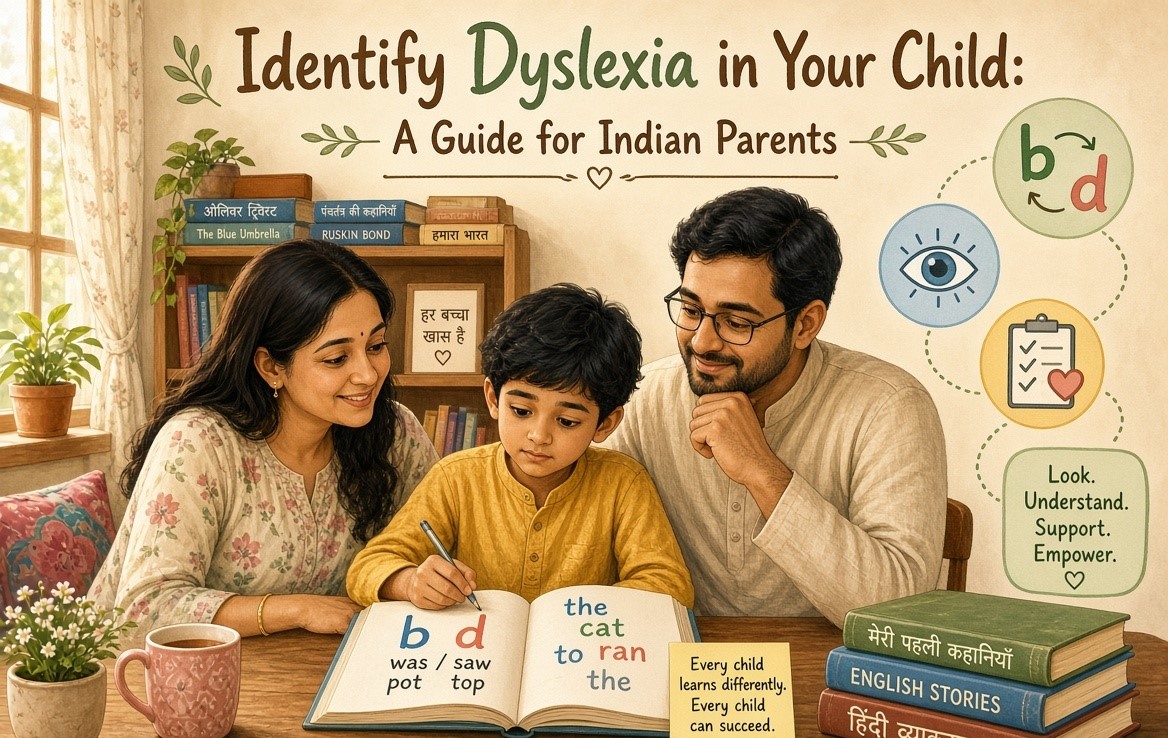
Identify Dyslexia in Your Child: A Guide for Indian ParentsDiscover practical ways to recognize dyslexia early in your child. This empathetic guide offers real…

🏫 Educator Resources · 12 Oct 2026
Cerebral Palsy and Physiotherapy in India: A Parent’s GuideDiscover how physiotherapy can transform the lives of children with cerebral palsy in India. This em…
🏫 Educator Resources · 12 Sep 2026
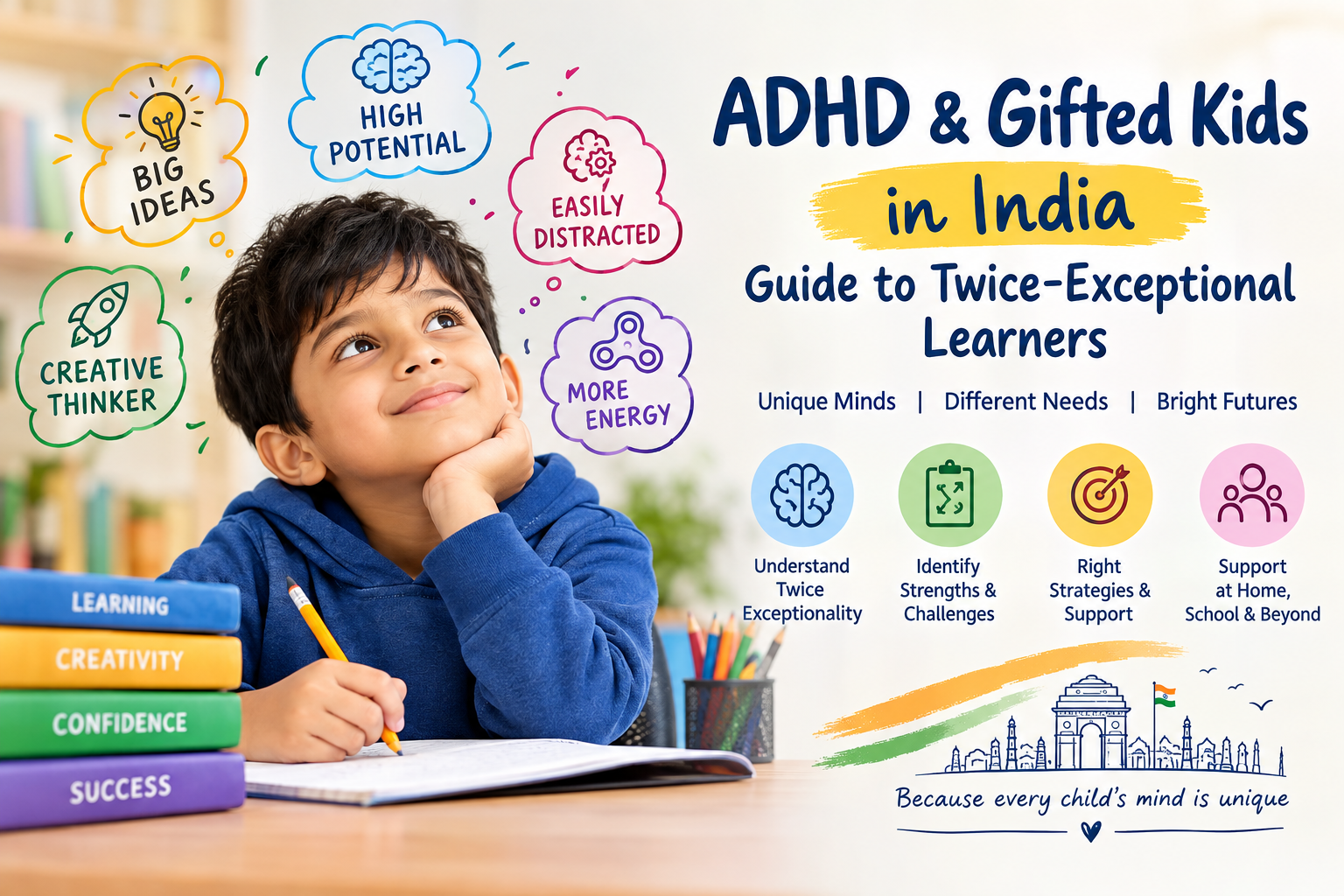
ADHD & Gifted Kids in India: Guide to Twice‑Exceptional LearnersDiscover how ADHD and giftedness can coexist in Indian children, why they are called twice‑excepti…