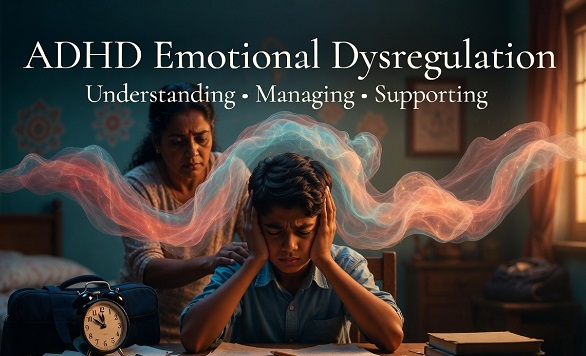
Introduction to Emotional Dysregulation in ADHD
As an Indian parent of a child with ADHD, you may have experienced the distressing situation where your child suddenly explodes in anger or frustration, leaving you feeling helpless and worried. This emotional dysregulation can be particularly challenging during festivals like Diwali or Navratri, when the noise and chaos can be overwhelming for children with ADHD. Emotional dysregulation is a common comorbidity in children with ADHD, affecting their relationships, academic performance, and overall well-being. In this blog post, we will delve into the reasons behind emotional dysregulation in ADHD and provide practical strategies to help your child manage their emotions.
Understanding ADHD and Emotional Dysregulation
ADHD, or Attention Deficit Hyperactivity Disorder, is a neurodevelopmental disorder characterized by symptoms of inattention, hyperactivity, and impulsivity. Emotional dysregulation, on the other hand, refers to the inability to regulate and manage one's emotions, leading to intense emotional outbursts. In children with ADHD, emotional dysregulation can manifest as irritability, mood swings, and explosive behavior.
Why Do Children with ADHD Experience Emotional Dysregulation?
There are several reasons why children with ADHD are more prone to emotional dysregulation. These include:
📎 Related Free Resource · Autism Spectrum
What Is ABA Therapy for Autism? A Simple & Practical Guide for ParentsABA stands for Applied Behaviour Analysis. It is an approach to understanding how behavior and learning are influenced by a perso…
📥 Download Free- Neurobiological factors: Imbalances in neurotransmitters like dopamine and serotonin can affect emotional regulation in children with ADHD.
- Executive function deficits: Children with ADHD often struggle with executive function skills like planning, organization, and self-regulation, which can lead to emotional dysregulation.
- Sensory processing issues: Many children with ADHD have sensory processing difficulties, which can contribute to emotional dysregulation.
- Environmental factors: A chaotic or stressful environment, such as a joint family household or a crowded school, can exacerbate emotional dysregulation in children with ADHD.
Strategies to Help Your Child Manage Emotional Dysregulation
While emotional dysregulation can be challenging to manage, there are several strategies that can help. These include:
- Creating a calm and structured environment: Establishing a daily routine and providing a calm, organized space can help reduce stress and anxiety in children with ADHD.
- Teaching emotional regulation skills: Encourage your child to recognize, express, and manage their emotions through techniques like deep breathing, visualization, or mindfulness.
- Encouraging physical activity: Regular physical activity, such as yoga or sports, can help reduce stress and anxiety in children with ADHD.
- Providing positive reinforcement: Rewarding positive behavior and providing positive reinforcement can help motivate your child to manage their emotions effectively.
Accessing Support and Resources in India
In India, there are several resources available to support children with ADHD and their families. These include:
- Government schemes: The Indian government has launched several schemes, such as the National Trust Act, to support children with disabilities, including ADHD.
- Special education schools: Many cities in India, such as Mumbai, Delhi, and Bangalore, have special education schools that cater to the needs of children with ADHD.
- Support groups: Joining a support group, either online or offline, can provide a sense of community and connection with other parents who are facing similar challenges.
Key Takeaways
- Emotional dysregulation is a common comorbidity in children with ADHD, affecting their relationships, academic performance, and overall well-being.
- Creating a calm and structured environment, teaching emotional regulation skills, and encouraging physical activity can help manage emotional dysregulation in children with ADHD.
- Accessing support and resources, such as government schemes, special education schools, and support groups, can provide valuable guidance and connection for families.
- By understanding the reasons behind emotional dysregulation and using practical strategies, you can help your child manage their emotions and thrive in their daily life.
- Remember, as a parent, you are not alone in this journey, and seeking support and guidance is a sign of strength, not weakness.
Conclusion
Emotional dysregulation in ADHD can be a challenging and overwhelming experience for both children and parents. However, by understanding the reasons behind it and using practical strategies, you can help your child manage their emotions and thrive in their daily life. Remember, every child is unique, and what works for one child may not work for another. Be patient, persistent, and compassionate, and work collaboratively with your child, their teachers, and healthcare professionals to develop a personalized plan that meets their needs. With the right support and resources, your child can learn to manage their emotions, build strong relationships, and achieve their full potential. As an Indian parent, you have the power to empower your child and help them overcome the challenges of ADHD and emotional dysregulation.
Free Resources Related to This Post
ABA stands for Applied Behaviour Analysis. It is an approach to understanding how behavio…
📥 Download FreeA structured homework planner with built-in break reminders, priority boxes, and a "done!"…
📥 Download FreeHow Parents of Autistic and ADHD Children Can Overcome Stress, Financial Pressure, Stigma …
📥 Download FreePractical 2-page parent guide with warm illustrations of mom & child. Covers slow talk…
📥 Download FreeYou Might Also Find Helpful
🏫 Educator Resources · 12 Sep 2026
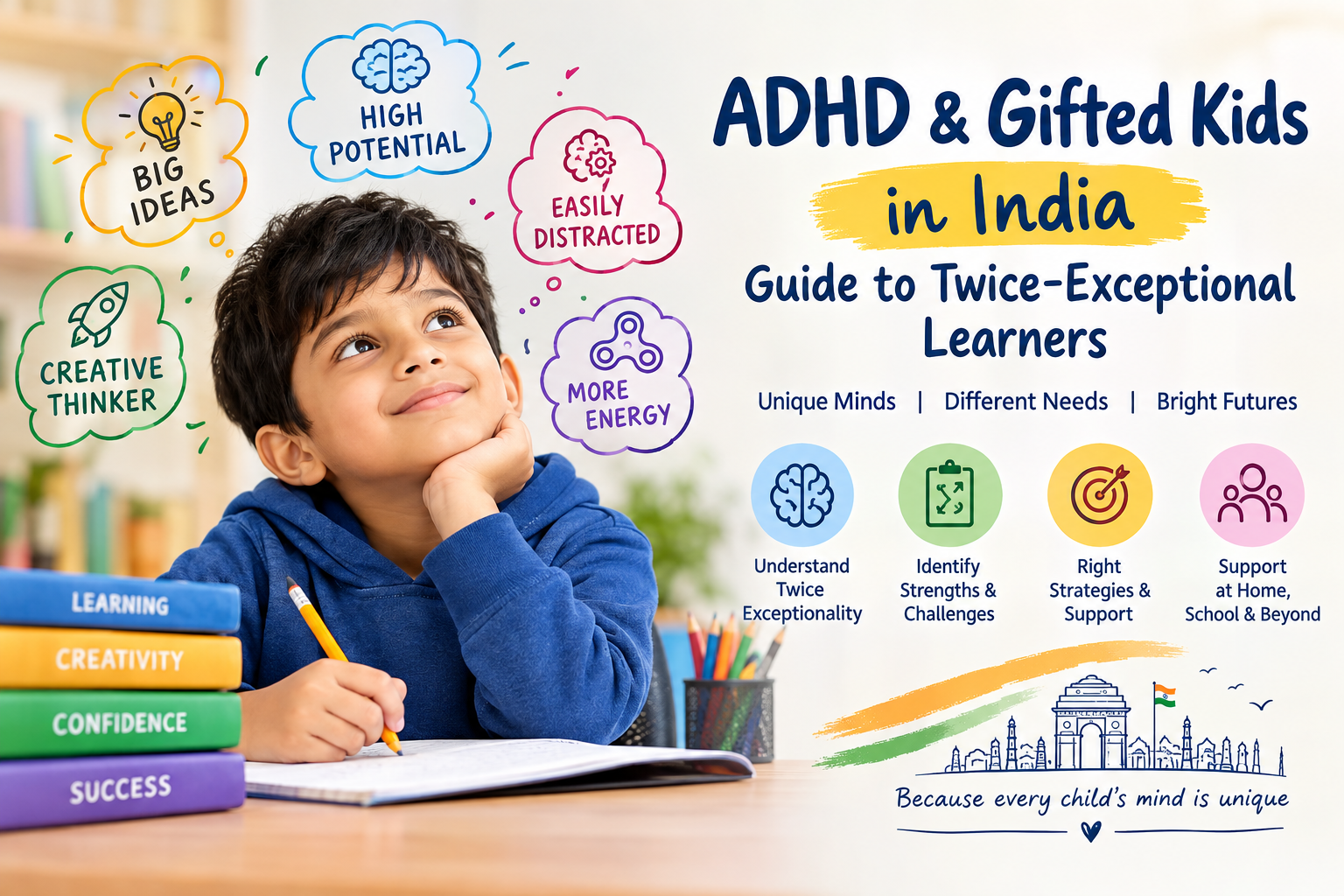
ADHD & Gifted Kids in India: Guide to Twice‑Exceptional LearnersDiscover how ADHD and giftedness can coexist in Indian children, why they are called twice‑excepti…

🏫 Educator Resources · 03 Sep 2026
Inclusive Education for Down Syndrome Children in IndiaA warm, step‑by‑step guide for Indian parents and teachers on how to create truly inclusive clas…
🏫 Educator Resources · 01 Sep 2026
Teaching a Special Child: 5 Important Rules Every Special Educator Must FollowTeaching a special child is one of the most unique tasks — there is no fixed set of rules. As a sp…