How to Create a Visual Schedule That Actually Works in Indian Homes
In many Indian homes, daily life is fast, noisy, and full of responsibilities — from school timings and office work to household chores and family commitments. Managing everything smoothly can be challenging, especially for kids.
A visual schedule is one of the easiest ways to bring structure, reduce stress, and improve daily routines — for both children and parents.
Let’s see how you can create one that actually works in Indian homes.
📎 Related Free Resource · Autism Spectrum
Daily Visual Schedule for Autistic ChildrenA beautifully illustrated morning-to-bedtime visual schedule designed for Indian homes. Includes common Indian daily activities li…
📥 Download FreeWhat is a Visual Schedule?
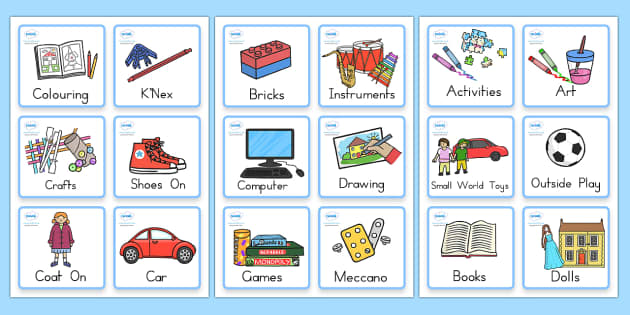
A visual schedule is a simple chart that shows daily activities using:
- Pictures
- Icons
- Colors
- Short text
It helps children understand:
- What to do
- When to do it
- What comes next
Why It Works in Indian Homes
Indian households often have:
- Multiple family members
- Changing routines (guests, festivals, school changes)
- Limited time for constant reminders
A visual schedule helps by:
- Reducing repeated instructions (“Homework kar liya?”)
- Building independence in kids
- Keeping routines consistent
Step-by-Step: Create Your Visual Schedule
1. Start with Daily Routine
List basic activities:
- Wake up
- Brush & bath
- School
- Homework
- Playtime
- Dinner
- Sleep
Keep it simple first.
2. Use Pictures (Very Important)
Kids understand visuals faster than text.
Examples:
- 🪥 for brushing
- 📚 for study
- 🏏 for play
- 🍽️ for meals
You can:
- Print images
- Draw by hand
- Use stickers
3. Choose the Right Place
Best places in Indian homes:
- Wall near study table
- Refrigerator
- Bedroom wall
It should be:
- Easily visible
- At child’s eye level
4. Make It Flexible
Indian homes don’t always follow fixed timing.
So:
- Use Velcro or magnets
- Allow easy rearrangement
- Keep a “Free Time” slot
5. Divide into Time Blocks
Instead of exact time, use:
- Morning
- Afternoon
- Evening
- Night
This works better than strict hourly schedules.
6. Add Rewards (Motivation Trick)
Simple ideas:
- ⭐ Star stickers
- Extra playtime
- Favorite snack
This encourages kids to follow the routine.
Sample Indian Daily Visual Schedule
Morning:
- Wake up
- Brush
- Bath
- Breakfast
- School
Afternoon:
- Lunch
- Rest
Evening:
- Homework
- Playtime
Night:
- Dinner
- Family time
- Sleep
Common Mistakes to Avoid
❌ Making it too strict
❌ Adding too many tasks
❌ Not updating it
❌ Ignoring child’s interest
Keep it simple and realistic.
Pro Tips for Indian Parents
- Involve your child while making it
- Use Hindi/English mix (e.g., “Study Time”, “Khel Time”)
- Adjust during exams or festivals
- Be consistent but not rigid
Final Thoughts
A visual schedule is not just a chart — it’s a tool that builds:
- Discipline
- Independence
- Confidence
Start small, stay consistent, and adjust as needed. Within a few weeks, you’ll notice a big difference in your child’s routine and behavior.
Free Resources Related to This Post
A beautifully illustrated morning-to-bedtime visual schedule designed for Indian homes. In…
📥 Download FreeABA stands for Applied Behaviour Analysis. It is an approach to understanding how behavio…
📥 Download FreeA self-monitoring morning checklist to build independence in neurodiverse children. Includ…
📥 Download FreeLooking for a balanced approach to support a child with autism? This resource shares a pra…
📥 Download FreeYou Might Also Find Helpful

👨👧👦 Parent Tips · 22 Sep 2026
मेरी माँ ने कैसे मेरी ऑटिज़्म से लड़ाई में मेरी मदद की: प्यार, थेरेपी और जीत की एक भावनात्मक सच्ची कहानी | सौरभमेरा नाम सौरभ है। जब मैं 9 साल का था, दु�…

👨👧👦 Parent Tips · 22 Sep 2026
How My Mom Helped Me Overcome Autism: An Emotional True Story of Love, Therapy & Triumph | Danniel LioWhen I was 9, the world felt like a puzzle missing half its pieces. I spoke differently. I behaved …

👨👧👦 Parent Tips · 06 Sep 2026
How to Manage ADHD in a 3-Year-Old at Home Without Medication: A Complete Daily Plan for ParentsPractical daily plan to manage ADHD hyperactivity in a 3-year-old at home without medication. Simple…