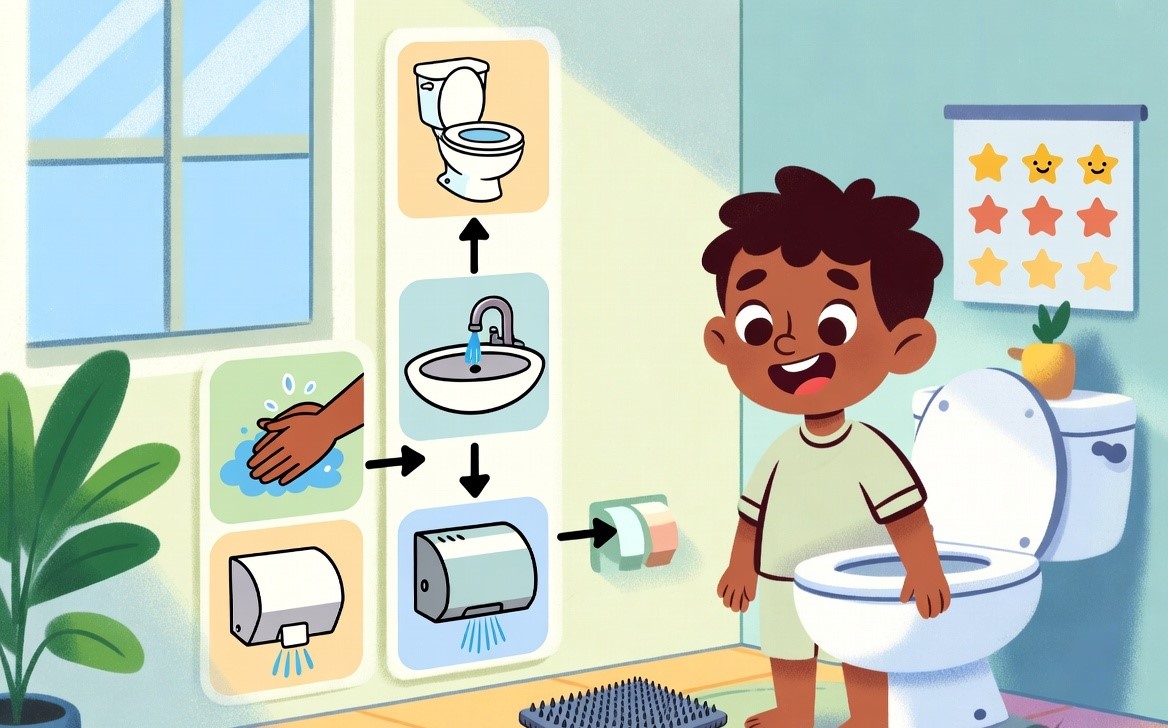
Toilet Training: A Crucial Milestone for Non-Verbal Autistic Children
As a parent of a non-verbal autistic child in India, you understand the significance of toilet training. It's a crucial milestone that can greatly impact your child's independence, self-esteem, and overall quality of life. However, toilet training can be a daunting task, especially when your child is non-verbal. You may have tried various methods, consulted with experts, and sought advice from fellow parents, but still, struggle to find the right approach. If you're feeling frustrated, worried, or unsure about where to start, you're not alone.
Understanding the Challenges
Non-verbal autistic children often face unique challenges when it comes to toilet training. They may have difficulty communicating their needs, understanding verbal cues, or following instructions. Additionally, sensory issues, anxiety, or fear of the toilet can make the process even more challenging. As a parent, it's essential to be patient, flexible, and creative in your approach.
Preparation is Key
Before starting toilet training, it's crucial to prepare your child and your home. Here are a few tips to get you started:
📎 Related Free Resource · Autism Spectrum
What Is ABA Therapy for Autism? A Simple & Practical Guide for ParentsABA stands for Applied Behaviour Analysis. It is an approach to understanding how behavior and learning are influenced by a perso…
📥 Download Free- Create a visual schedule: Use a visual calendar or chart to help your child understand the concept of time and routine.
- Choose the right equipment: Select a toilet seat or potty chair that is comfortable and suitable for your child's size and needs.
- Make it a team effort: Involve your child in the process of selecting big kid underwear or picking out a favorite toy to use as a reward.
- Prepare for accidents: Keep a stash of extra clothes, wipes, and cleaning supplies on hand to minimize stress and mess.
Establishing a Routine
Establishing a consistent routine is vital for successful toilet training. Try to take your child to the bathroom at the same times each day, such as after waking up, after meals, and before bedtime. You can also use a timer or a visual cue to help your child understand when it's time to go.
Using Visual Aids and Communication Strategies
Non-verbal autistic children often respond well to visual aids and communication strategies. Here are a few tips to help you communicate with your child:
- Use pictures or symbols: Create a visual chart or use pictures to communicate the concept of using the toilet.
- Sign language: Teach your child simple signs for "bathroom" or "toilet" to help them communicate their needs.
- Augmentative and Alternative Communication (AAC) devices: Consider using an AAC device, such as a tablet or communication board, to help your child express their needs and wants.
Overcoming Common Challenges
Toilet training can be a challenging and frustrating process, especially when faced with common obstacles like constipation, fear of the toilet, or refusal to sit on the potty. Here are a few tips to help you overcome these challenges:
- Constipation: Encourage a high-fiber diet, offer plenty of fluids, and consider using a stool softener if necessary.
- Fear of the toilet: Gradually introduce your child to the toilet, starting with small steps like sitting on the potty with pants on.
- Refusal to sit on the potty: Make the experience fun and engaging by reading books, singing songs, or using a favorite toy to encourage your child to sit on the potty.
Seeking Support and Resources
Toilet training can be a long and challenging process, but you don't have to do it alone. Here are a few resources to help you get started:
- Consult with a pediatrician or a special education professional for personalized guidance and support.
- Join a support group or online community to connect with fellow parents and share experiences.
- Utilize government schemes and initiatives, such as the National Trust Act, to access resources and funding for your child's special needs.
Key Takeaways
- Be patient and flexible in your approach to toilet training.
- Use visual aids and communication strategies to help your child understand and communicate their needs.
- Establish a consistent routine and make it a team effort.
- Seek support and resources from professionals, support groups, and online communities.
- Stay positive and celebrate small successes along the way.
Conclusion
Toilet training is a significant milestone for non-verbal autistic children, and with the right approach, you can help your child achieve independence and confidence. Remember to be patient, flexible, and creative in your approach, and don't hesitate to seek support and resources when needed. As an Indian parent, you have the power to make a positive impact on your child's life, and with these tips and strategies, you can help your child thrive and reach their full potential. So, take a deep breath, stay positive, and celebrate the small successes along the way – you got this!
Free Resources Related to This Post
ABA stands for Applied Behaviour Analysis. It is an approach to understanding how behavio…
📥 Download FreeLooking for a balanced approach to support a child with autism? This resource shares a pra…
📥 Download FreeA practical, parent-friendly guide with clear academic goals for phonics, numbers, Hindi V…
📥 Download FreePlan the future of your autistic child with confidence. Learn about legal guardianship, Na…
📥 Download FreeYou Might Also Find Helpful

👨👧👦 Parent Tips · 22 Sep 2026
मेरी माँ ने कैसे मेरी ऑटिज़्म से लड़ाई में मेरी मदद की: प्यार, थेरेपी और जीत की एक भावनात्मक सच्ची कहानी | सौरभमेरा नाम सौरभ है। जब मैं 9 साल का था, दु�…

👨👧👦 Parent Tips · 22 Sep 2026
How My Mom Helped Me Overcome Autism: An Emotional True Story of Love, Therapy & Triumph | Danniel LioWhen I was 9, the world felt like a puzzle missing half its pieces. I spoke differently. I behaved …

👨👧👦 Parent Tips · 06 Sep 2026
How to Manage ADHD in a 3-Year-Old at Home Without Medication: A Complete Daily Plan for ParentsPractical daily plan to manage ADHD hyperactivity in a 3-year-old at home without medication. Simple…