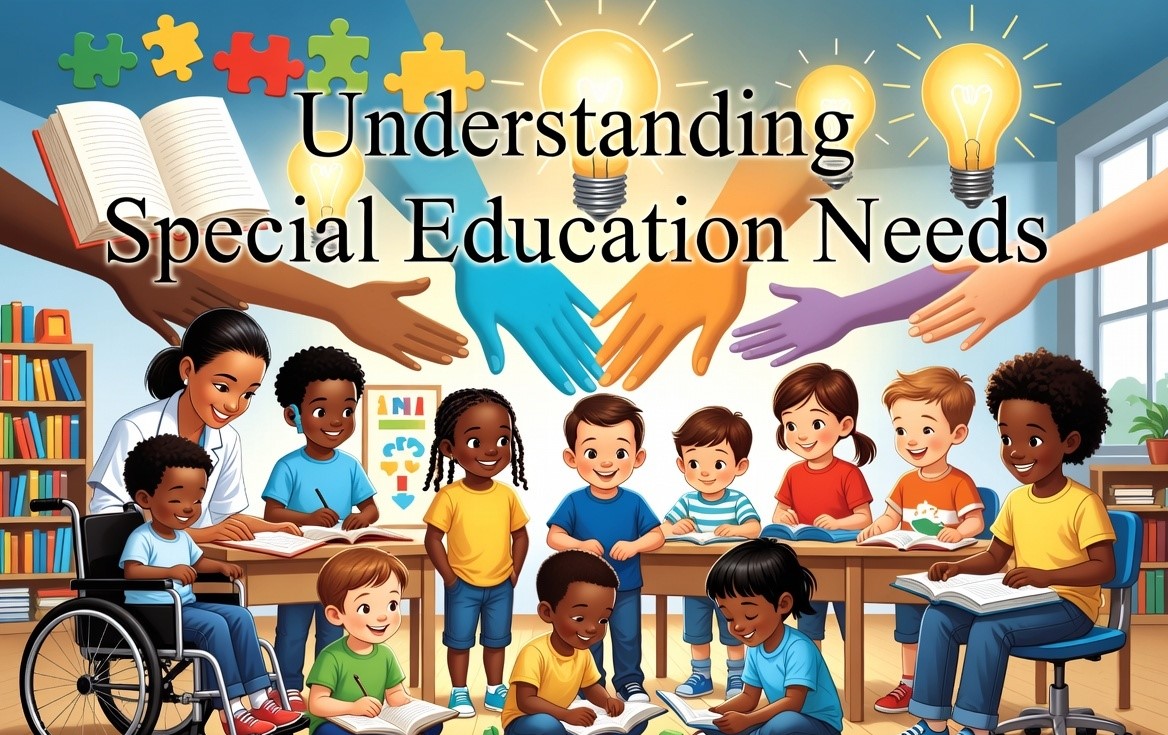
Introduction to Special Education Needs
As a parent in India, there's no greater joy than seeing your child thrive and grow. But for many Indian parents, the journey of raising a neurodivergent child can be fraught with challenges. From navigating the complexities of the Indian education system to finding the right resources and support, it can be overwhelming. If you're a parent of a child with special education needs, you're not alone. According to the WHO, approximately 15% of the global population lives with some form of disability, and in India, this translates to millions of children who require special education support.
The Prevalence of Special Education Needs in India
In India, the most common special education needs include Autism, ADHD, Dyslexia, and Down Syndrome. These conditions can affect a child's ability to learn, interact with others, and participate in daily activities. For instance, a child with Autism may struggle with social interactions, while a child with Dyslexia may face challenges with reading and writing. It's essential to understand that each child's experience is unique, and there is no one-size-fits-all approach to supporting them.
Understanding the Different Types of Special Education Needs
Let's take a closer look at some of the most common special education needs in India:
📎 Related Free Resource · Autism Spectrum
What Is ABA Therapy for Autism? A Simple & Practical Guide for ParentsABA stands for Applied Behaviour Analysis. It is an approach to understanding how behavior and learning are influenced by a perso…
📥 Download Free- Autism: A neurological disorder that affects communication, social interaction, and behavior.
- ADHD: A condition characterized by hyperactivity, impulsivity, and inattention.
- Dyslexia: A learning disorder that affects reading, writing, and spelling abilities.
- Down Syndrome: A genetic disorder that affects cognitive and physical development.
Supporting Children with Special Education Needs in Indian Schools
In India, the Right to Education Act (RTE) mandates that all children, including those with special education needs, have access to education. However, the reality is that many schools lack the resources and infrastructure to support children with special needs. As a parent, it's essential to advocate for your child's rights and work with teachers and educators to create an inclusive learning environment. This may involve developing an Individualized Education Plan (IEP) that outlines your child's specific needs and goals.
Creating an Inclusive Learning Environment at Home
While schools play a critical role in supporting children with special education needs, the home environment is equally important. Here are some tips for creating an inclusive learning environment at home:
- Establish a daily routine that includes dedicated time for learning and play.
- Use visual aids and assistive technology to support your child's learning.
- Encourage social interaction and play with siblings and peers.
- Provide opportunities for physical activity and exercise.
Accessing Resources and Support in India
In India, there are numerous resources and support available for children with special education needs. These include government schemes such as the National Trust Act, which provides financial assistance and support to families of children with Autism, Cerebral Palsy, and other disabilities. Additionally, many NGOs and organizations, such as the Autism Society of India and the Dyslexia Association of India, offer support groups, therapy sessions, and educational resources.
Key Takeaways
- Every child with special education needs is unique, and there is no one-size-fits-all approach to supporting them.
- Understanding the different types of special education needs is essential for providing effective support.
- Creating an inclusive learning environment at home and in school is critical for a child's academic and social success.
- Accessing resources and support, such as government schemes and NGOs, can provide valuable assistance to families.
- As a parent, advocating for your child's rights and working with educators is essential for ensuring they receive the support they need.
Conclusion
As an Indian parent of a neurodivergent child, you are not alone. There are millions of parents in India who are navigating the complex world of special education needs. By understanding the unique requirements of your child, creating an inclusive learning environment, and accessing resources and support, you can empower them to thrive and reach their full potential. Remember, every child deserves the opportunity to succeed, and with the right support, they can achieve great things. So, let's work together to create a more inclusive and supportive environment for all children with special education needs in India.
Free Resources Related to This Post
ABA stands for Applied Behaviour Analysis. It is an approach to understanding how behavio…
📥 Download FreeA teacher and parent checklist for identifying reading support needs and implementing dysl…
📥 Download FreeA structured homework planner with built-in break reminders, priority boxes, and a "done!"…
📥 Download FreeLooking for a balanced approach to support a child with autism? This resource shares a pra…
📥 Download FreeYou Might Also Find Helpful

👨👧👦 Parent Tips · 22 Sep 2026
मेरी माँ ने कैसे मेरी ऑटिज़्म से लड़ाई में मेरी मदद की: प्यार, थेरेपी और जीत की एक भावनात्मक सच्ची कहानी | सौरभमेरा नाम सौरभ है। जब मैं 9 साल का था, दु�…

👨👧👦 Parent Tips · 22 Sep 2026
How My Mom Helped Me Overcome Autism: An Emotional True Story of Love, Therapy & Triumph | Danniel LioWhen I was 9, the world felt like a puzzle missing half its pieces. I spoke differently. I behaved …
👨👧👦 Parent Tips · 06 Sep 2026
How to Manage ADHD in a 3-Year-Old at Home Without Medication: A Complete Daily Plan for ParentsPractical daily plan to manage ADHD hyperactivity in a 3-year-old at home without medication. Simple…