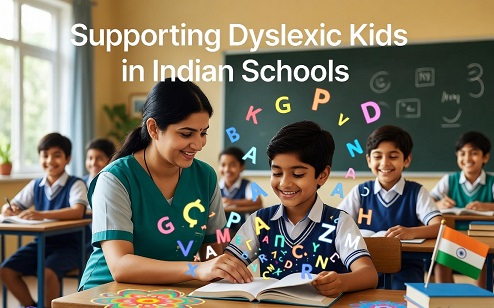
Introduction to Dyslexia and the RPwD Act
As a parent of a child with dyslexia in India, you understand the struggles that come with navigating the education system. From Delhi to Mumbai, and from Kolkata to Chennai, Indian schools are required to provide inclusive education to children with disabilities, including dyslexia, under the Rights of Persons with Disabilities (RPwD) Act, 2016. But what does this mean for your child, and how can schools support them in their learning journey?
Understanding Dyslexia
Dyslexia is a learning disability that affects an individual's ability to read, write, and spell. It is not a result of poor intelligence or lack of effort, but rather a neurological difference that requires specialized teaching methods and accommodations. In India, where education is highly valued and competitive, dyslexic students often face significant challenges in keeping up with their peers.
Challenges Faced by Dyslexic Students in Indian Schools
Indian schools, particularly those in urban areas like Bangalore and Hyderabad, often have large class sizes and a focus on rote learning, which can be daunting for dyslexic students. Additionally, the emphasis on board exams and academic achievement can create undue stress and pressure on these students. Furthermore, the joint family dynamics in Indian culture can sometimes add to the pressure, with extended family members having high expectations for academic success.
📎 Related Free Resource · Learning Disabilities
Dyslexia-Friendly Reading ChecklistA teacher and parent checklist for identifying reading support needs and implementing dyslexia-friendly strategies in classrooms.…
📥 Download FreeStrategies for Supporting Dyslexic Students
So, how can Indian schools support children with dyslexia under the RPwD Act? Here are some strategies that can be implemented:
- Provide individualized learning plans that cater to the student's strengths and weaknesses
- Offer assistive technology, such as text-to-speech software and audiobooks, to help with reading and writing
- Train teachers in dyslexia-friendly teaching methods, such as multisensory instruction and phonics-based reading programs
- Create a dyslexia-friendly classroom environment, with minimal distractions and ample opportunities for movement and breaks
Government Schemes and Initiatives
The Indian government has launched several schemes and initiatives to support children with disabilities, including dyslexia. For example, the Sarva Shiksha Abhiyan (SSA) program aims to provide inclusive education to all children, including those with special needs. Additionally, the National Institute of Open Schooling (NIOS) offers alternative certification programs for students who may not be able to cope with the traditional school curriculum.
Celebrating Festivals and Promoting Inclusion
In India, festivals like Diwali and Raksha Bandhan are an integral part of the school calendar. Schools can use these opportunities to promote inclusion and raise awareness about dyslexia and other learning disabilities. For example, schools can organize events and activities that celebrate diversity and promote empathy and understanding among students.
Key Takeaways
- Indian schools are required to provide inclusive education to children with dyslexia under the RPwD Act
- Dyslexic students face unique challenges in Indian schools, including large class sizes and a focus on rote learning
- Strategies such as individualized learning plans, assistive technology, and dyslexia-friendly teaching methods can support dyslexic students
- Government schemes and initiatives, such as the SSA program and NIOS, can provide additional support and resources
- Schools can promote inclusion and raise awareness about dyslexia through festivals and events
Closing Thoughts
As a parent of a child with dyslexia in India, it's essential to remember that you are not alone. There are resources and support available to help your child succeed in school and beyond. By working together with teachers, schools, and government initiatives, we can create a more inclusive and supportive education system that empowers all children, regardless of their abilities or disabilities. So, let's come together to celebrate our children's strengths and provide them with the tools and resources they need to reach their full potential.
Free Resources Related to This Post
You Might Also Find Helpful

🌟 Success Stories · 08 Jun 2026
न्यूरोडायवर्सिटी एक कमजोरी नहीं, ताकत हैवैज्ञानिकों, कलाकारों और एथलीटों की य�…
🌟 Success Stories · 08 Jun 2026
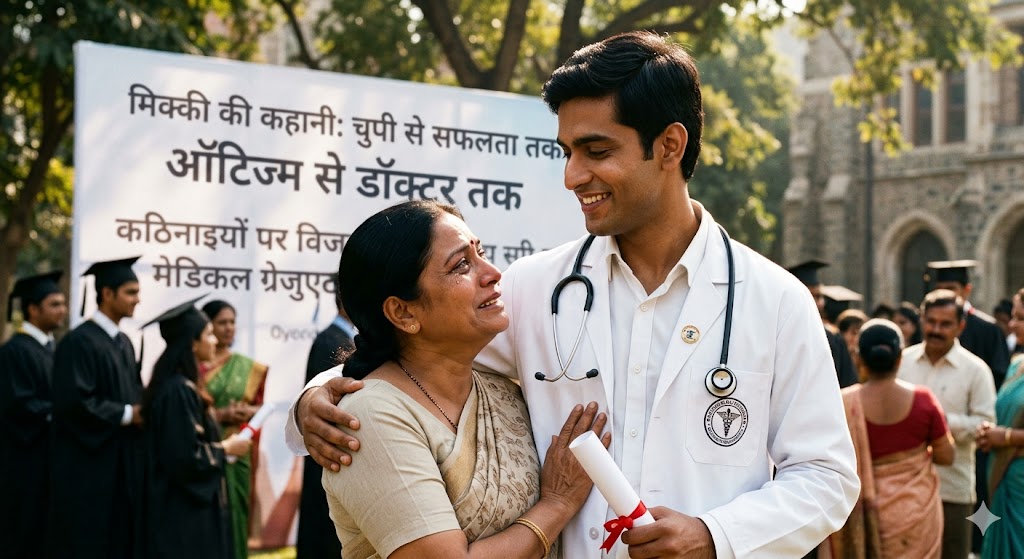
मिकी की कहानी: चुप्पी से सफलता तक"वो पागल लड़का है!" पार्क के एक कोने में �…
🌟 Success Stories · 29 May 2026
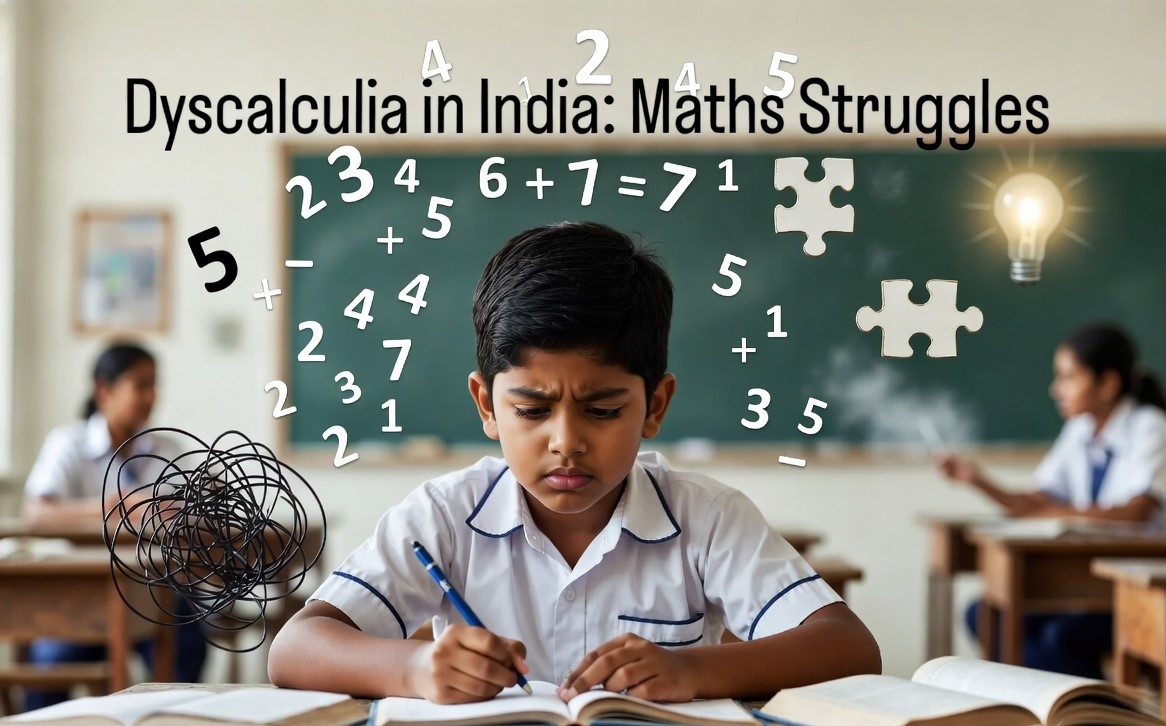
Dyscalculia in India: Maths StrugglesIs your child struggling with maths despite their best efforts? Dyscalculia, a learning disorder tha…