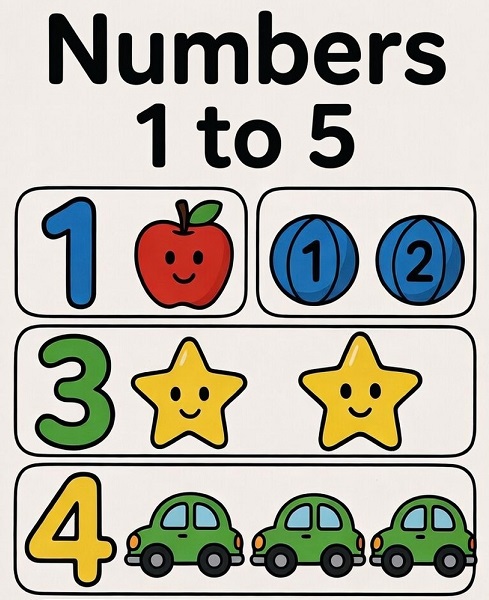
Parenting a child with moderate autism who is non-verbal and under 5 years old comes with unique challenges — especially when it comes to teaching early math concepts like numbers, counting, and basic quantity. Hyperactivity or sensory overload can make focus nearly impossible. That’s why the first and most important step is helping your child feel calm and regulated before any learning begins.
At SpecialEducation24.com, we believe every child can learn when teaching matches their needs. Here are practical, parent-friendly tricks that work well for non-speaking children with autism.
Step 1: Calm the Body First (Regulation Before Education)
A dysregulated child cannot learn. Spend 5–10 minutes on calming activities tailored to your child’s sensory profile:
📎 Related Free Resource · Sensory Processing
Sensory Diet Activity Cards30 printable activity cards for building a daily sensory diet — including proprioceptive, vestibular, and tactile activities sui…
📥 Download Free- Deep Pressure Activities: Weighted blanket, gentle squeezes, or “sandwich” hugs (press a cushion over the body).
- Heavy Work: Carrying books, pushing a laundry basket, or wall pushes.
- Sensory Play: Playing with rice, lentils, or playdough (many children calm down through tactile input).
- Favorite Calming Tool: Use a spinning toy, favorite music, swing, or dim lights — whatever consistently helps your child.
- Routine Signal: Use the same visual cue (a picture card of “calm time”) before every session so the child knows what to expect.
Pro Tip: Observe and note what calms your child best. Create a short “Calm Down Menu” with 4–5 activities and use it daily.
Step 2: Make Numeracy Fun, Visual & Multi-Sensory
Skip worksheets. Use hands-on, play-based methods that don’t require spoken language.
1. Object Counting with High-Interest Items Use your child’s favorite toys or edibles (if appropriate).
- Line up 3–5 cars and count while touching each one.
- Use exaggerated gestures and slow counting: “One… two… three.”
- Start with matching quantities first (put the same number of blocks in two baskets) before moving to verbal counting.
2. Number Matching & Sorting Games
- Print large number cards (1–5 or 1–10).
- Match identical numbers or match dots to the numeral.
- Sort objects into numbered boxes or cups (e.g., put 2 balls in box number 2).
3. Sensory Number Trays Fill trays with different textures:
- Sand or salt — trace numbers with finger.
- Pom-poms, buttons, or beans — place the correct number on each card. This combines tactile input with numeracy.
4. Body-Based Counting
- Clap, jump, or stomp the correct number of times.
- Count fingers or toes.
- Use large floor numbers (printed or drawn with tape) and jump on them.
5. Visual Schedules & Picture Supports Use picture cards or a simple visual timer (like Time-Timer) to show “how many” activities are left. This reduces anxiety in non-verbal children.
6. Music & Movement for Numbers Many autistic children respond well to songs. Play or sing number songs with clear visuals and actions. Pause and wait for your child to participate through movement even if they don’t speak.
Additional Helpful Tricks
- Keep Sessions Short: 5–8 minutes maximum in the beginning. End on a positive note.
- Use Reinforcement: Immediately reward participation with praise, favorite toy, or snack.
- Follow the Child’s Lead: If your child loves trains, use trains for counting. Interest-led learning increases attention dramatically.
- Repetition is Key: Teach the same concept in different ways across the week.
- Incorporate Routine: Teach numbers during daily activities — counting stairs, snacks, or clothes while folding.
For Hyperactive Children: Alternate high-movement activities (jumping while counting) with calming ones. A quick sensory break can reset focus instantly.
Free Resources from SpecialEducation24.com
We have created free home plans and manuals specially designed for non-verbal children with autism. These include:
- Ready-to-use visual number cards
- Step-by-step numeracy activity schedules
- Sensory regulation checklists
Download them free here: Free Home Plans & Manuals Start writing your content here...
Free Resources Related to This Post
30 printable activity cards for building a daily sensory diet — including proprioceptive…
📥 Download FreeA printable high-contrast AAC board with 36 core vocabulary words. Can be laminated and us…
📥 Download FreeABA stands for Applied Behaviour Analysis. It is an approach to understanding how behavio…
📥 Download FreeHow Parents of Autistic and ADHD Children Can Overcome Stress, Financial Pressure, Stigma …
📥 Download FreeYou Might Also Find Helpful

👨👧👦 Parent Tips · 06 Sep 2026
How to Manage ADHD in a 3-Year-Old at Home Without Medication: A Complete Daily Plan for ParentsPractical daily plan to manage ADHD hyperactivity in a 3-year-old at home without medication. Simple…
👨👧👦 Parent Tips · 02 Sep 2026
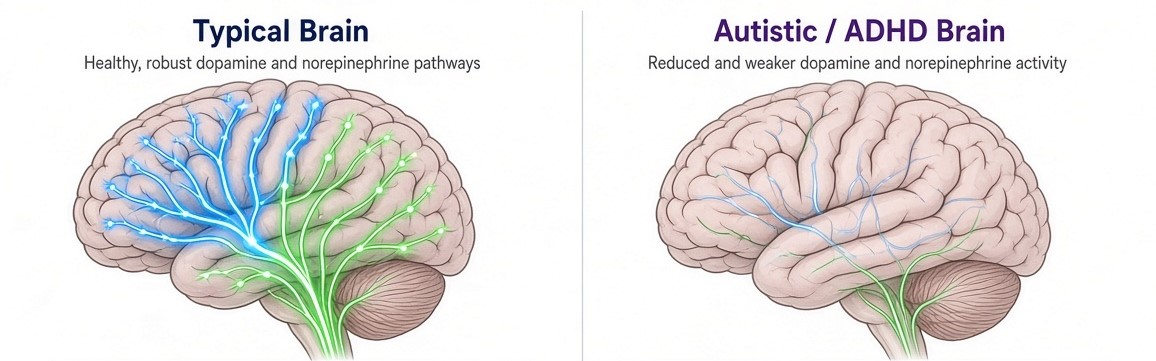
Hyperactivity in Autistic and ADHD Children: Causes and Effective SolutionsUnderstand the real biological reasons behind hyperactivity in autistic and ADHD children. This arti…

👨👧👦 Parent Tips · 01 Sep 2026
Simple Home Activities That Help Language Development in Children with Autism & Developmental DelaysChildren with autism or developmental delays often improve in behaviour and social skills with thera…