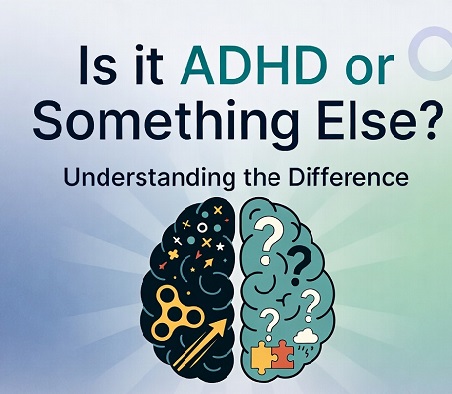
Introduction to ADHD and Common Misconceptions
As a parent in India, you may have noticed that your child exhibits behaviors such as inattention, hyperactivity, or impulsivity. You may be wondering if your child has Attention Deficit Hyperactivity Disorder (ADHD) or if it's just a phase. With the increasing awareness of ADHD in Indian cities like Mumbai and Delhi, it's essential to understand the signs and symptoms to provide the right support for your child. However, it's also important to note that ADHD can manifest differently in children, and some signs may be missed or misinterpreted.
Common Signs of ADHD in Children
Children with ADHD often exhibit a range of behaviors, including difficulty paying attention, following instructions, and completing tasks. They may also be hyperactive, restless, or impulsive, which can lead to difficulties in school and social relationships. In the Indian context, these behaviors may be attributed to a lack of discipline or poor parenting, rather than a neurodevelopmental disorder. For instance, during festivals like Diwali, children with ADHD may have trouble coping with the noise and crowds, leading to meltdowns or behavioral issues.
Differential Diagnosis: Ruling Out Other Conditions
It's essential to note that ADHD can be mistaken for other conditions, such as Autism, Dyslexia, or even anxiety disorders. A comprehensive evaluation by a pediatrician, psychologist, or psychiatrist is necessary to rule out other conditions and confirm an ADHD diagnosis. In India, the school system can play a significant role in identifying children with ADHD, and teachers can provide valuable insights into a child's behavior and learning patterns. Under the government's scheme, the Right to Education (RTE) Act, children with disabilities, including ADHD, are entitled to free and compulsory education.
📎 Related Free Resource · Learning Disabilities
Dyslexia-Friendly Reading ChecklistA teacher and parent checklist for identifying reading support needs and implementing dyslexia-friendly strategies in classrooms.…
📥 Download FreeSigns Indian Parents Miss
- Executive function deficits: Children with ADHD may have difficulty with planning, organization, and time management, which can be mistaken for laziness or lack of motivation.
- Sensory processing issues: Some children with ADHD may have sensory processing difficulties, which can manifest as hypersensitivity to certain sounds, sights, or textures.
- Emotional regulation: Children with ADHD may struggle with emotional regulation, leading to mood swings, irritability, or explosive behavior.
- Co-occurring conditions: ADHD often co-occurs with other conditions, such as anxiety, depression, or sleep disorders, which can mask or exacerbate ADHD symptoms.
Navigating the Diagnosis Process
Diagnosing ADHD can be a complex and time-consuming process, involving a comprehensive evaluation of a child's behavior, cognitive, and emotional functioning. In India, parents may need to navigate a range of healthcare professionals, including pediatricians, psychologists, and psychiatrists. It's essential to find a healthcare professional who is experienced in diagnosing and treating ADHD and has a deep understanding of the Indian context. For example, a child from a joint family may have different social and emotional needs than a child from a nuclear family, and a healthcare professional should be sensitive to these differences.
Key Takeaways
- ADHD can manifest differently in children, and some signs may be missed or misinterpreted.
- A comprehensive evaluation by a pediatrician, psychologist, or psychiatrist is necessary to confirm an ADHD diagnosis.
- ADHD can be mistaken for other conditions, such as Autism, Dyslexia, or anxiety disorders.
- Executive function deficits, sensory processing issues, emotional regulation, and co-occurring conditions are common signs of ADHD that Indian parents may miss.
- Early diagnosis and intervention can significantly improve outcomes for children with ADHD.
Conclusion
As an Indian parent, it's essential to be aware of the signs and symptoms of ADHD and to seek professional help if you suspect that your child may have the condition. By understanding the complexities of ADHD diagnosis and the common signs that Indian parents may miss, you can provide the right support and interventions to help your child thrive. Remember, every child is unique, and with the right support, children with ADHD can excel in school, build strong relationships, and lead happy, fulfilling lives. So, don't hesitate to reach out to a healthcare professional or a special education consultant for guidance and support. With patience, love, and the right resources, you can empower your child to reach their full potential.
Free Resources Related to This Post
A teacher and parent checklist for identifying reading support needs and implementing dysl…
📥 Download FreeA structured homework planner with built-in break reminders, priority boxes, and a "done!"…
📥 Download FreeABA stands for Applied Behaviour Analysis. It is an approach to understanding how behavio…
📥 Download FreeHow Parents of Autistic and ADHD Children Can Overcome Stress, Financial Pressure, Stigma …
📥 Download FreeYou Might Also Find Helpful

👨👧👦 Parent Tips · 06 Sep 2026
How to Manage ADHD in a 3-Year-Old at Home Without Medication: A Complete Daily Plan for ParentsPractical daily plan to manage ADHD hyperactivity in a 3-year-old at home without medication. Simple…
👨👧👦 Parent Tips · 02 Sep 2026
Hyperactivity in Autistic and ADHD Children: Causes and Effective SolutionsUnderstand the real biological reasons behind hyperactivity in autistic and ADHD children. This arti…

👨👧👦 Parent Tips · 01 Sep 2026
Simple Home Activities That Help Language Development in Children with Autism & Developmental DelaysChildren with autism or developmental delays often improve in behaviour and social skills with thera…