Understanding ADHD and the Need for Movement
Ramesh watches his 8‑year‑old son Arjun fidgeting during a school assembly in Delhi. The rest of the children sit still, but Arjun’s legs are bouncing, his fingers drum on the desk, and his mind drifts to the cricket match on TV. Ramesh wonders: Is there anything that can channel this energy into something positive? For millions of Indian parents, that question is familiar. ADHD (Attention‑Deficit/Hyperactivity Disorder) is not just a label; it is a daily reality of restless thoughts, impulsive actions, and a craving for movement. While medication and behavioral therapy are common pillars of treatment, research increasingly shows that structured physical activity can be a game‑changer.
In this guide we unpack the science, explore culturally relevant sports, and give you a step‑by‑step plan to turn kinetic energy into academic and social success.
Why Sports Matter for ADHD Children
Neuroscience behind movement
Physical activity stimulates the release of neurotransmitters—dopamine, norepinephrine, and serotonin—that are often low in ADHD brains. These chemicals improve attention, mood, and executive function. A 2022 meta‑analysis of Indian and international studies found that 60 minutes of moderate‑to‑vigorous exercise, three times a week, reduced inattentiveness scores by up to 30%.
Behavioral benefits
- Improved self‑regulation: Repetitive motor patterns (e.g., dribbling a ball) teach children to monitor and adjust their actions.
- Social skill building: Team sports provide natural opportunities for turn‑taking, cooperation, and conflict resolution.
- Boosted self‑esteem: Mastery of a skill—whether it’s a perfect serve in badminton or a graceful pose in yoga—creates a sense of achievement that counteracts the stigma often associated with ADHD.
Indian context: festivals, joint families, and school systems
India’s vibrant festivals (like Holi or Navratri) involve dance and communal games, offering informal arenas for movement. Joint families can provide extra supervision and encouragement, while schools following the Right‑to‑Education Act increasingly include “Life Skills” periods where physical activity can be woven in. Government initiatives such as Khelo India and the Rashtriya Bal Swasthya Karyakram also fund community sports programs that are accessible to children with special needs.
Choosing the Right Activities
Factors to consider
- Interest level: A child who loves cricket is more likely to stick with a cricket‑based drill than a generic fitness routine.
- Sensory profile: Some ADHD children are hypersensitive to noise; quiet activities like swimming or yoga may be preferable.
- Physical abilities: Motor coordination varies; start with low‑impact options if balance is a challenge.
- Logistics: Proximity to facilities, cost, and parental time constraints matter, especially in tier‑2 cities.
Sports and activities that work well in India
- Cricket drills: Simple catching, bowling, and running between wickets improve hand‑eye coordination and provide a familiar cultural touchstone.
- Traditional games: Kabaddi, kho‑kho, and gilli‑danda blend cardio with teamwork, and many schools already have these in their physical education curriculum.
- Martial arts: Karate, taekwondo, and the Indian art of Kalaripayattu teach discipline, focus, and controlled breathing.
- Yoga for kids: Poses like Tree and Warrior promote balance and mindfulness; many community centers offer “Kids Yoga” sessions on Saturdays.
- Swimming: The buoyancy of water reduces overstimulation while providing full‑body exercise; many municipal pools have subsidised rates for children with disabilities.
- Dance: Bharatanatyam, folk dances, or even Bollywood choreography allow expressive movement and cultural connection.
Practical Tips for Parents and Educators
- Start small, stay consistent: Begin with 10‑15 minute sessions three times a week and gradually increase duration.
- Set clear, visual goals: Use a colorful chart at home or in the classroom to track minutes of activity; reward milestones with stickers or extra story time.
- Use structure, not rigidity: Provide a predictable routine (e.g., warm‑up → skill practice → game → cool‑down) but allow flexibility to switch activities if the child becomes overwhelmed.
- Incorporate sensory breaks: After a demanding academic task, a 5‑minute “jump‑rope break” can reset attention.
- Engage peers: Pair the child with a supportive classmate; inclusive team settings reduce isolation.
- Communicate with teachers: Share the activity plan with the child’s class teacher so they can reinforce it during school recess.
- Leverage technology: Apps like Kids Fitness Tracker (available in Hindi and regional languages) turn activity into a game with points and levels.
Integrating Activity into Daily Routine
At home
Morning: A 10‑minute “sunrise stretch” (simple yoga poses) before breakfast can calm the nervous system.
After school: A 20‑minute cricket drill in the backyard or a quick game of stapu (Indian hopscotch) on the driveway.
Evening: Family walks after dinner, especially during festivals when streets are lively, turn exercise into a cultural celebration.
At school
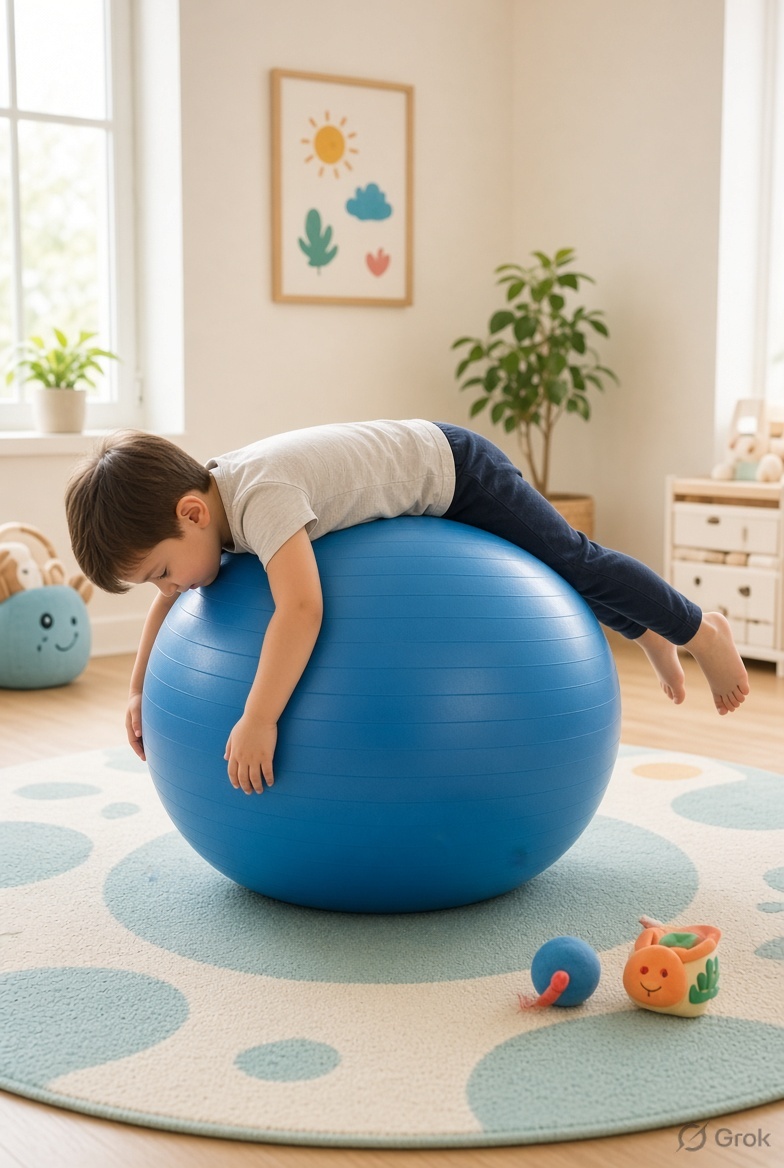
Work with the school’s physical education teacher to allocate a “focus‑boost” slot—often a 15‑minute activity before a core subject. Encourage the school to adopt “movement‑friendly” classrooms: standing desks, balance balls, or short activity breaks during long lectures.
Community resources
Many municipal corporations under Khelo India run free weekly sports clubs for children with special needs. Check local listings in cities like Mumbai, Bengaluru, Hyderabad, and Chennai. NGOs such as Special Olympics India and UNICEF India’s Inclusive Sports Initiative also provide trained coaches.
Safety and Support
While activity is beneficial, safety remains paramount. Ensure that:
- Protective gear (helmets, pads) fits properly.
- Coaches are briefed on ADHD‑related triggers—e.g., avoiding overly loud environments if the child is noise‑sensitive.
- Hydration and nutrition are maintained, especially during hot Indian summers.
- Any comorbid conditions (e.g., asthma) are communicated to the sports instructor.
Collaboration between parents, teachers, and healthcare providers (pediatricians, occupational therapists) creates a support network that can adjust activity plans as the child grows.
Key Takeaways
- Physical activity boosts dopamine and improves attention in ADHD children, with measurable academic benefits.
- Choose sports that align with the child’s interests, sensory needs, and local availability—cricket, yoga, swimming, and traditional games are excellent options in India.
- Consistency, visual tracking, and short, structured sessions are more effective than sporadic, lengthy workouts.
- Leverage Indian cultural moments—festivals, joint‑family outings, and government schemes—to embed movement naturally into daily life.
- Safety, clear communication with teachers, and a collaborative support network ensure that sports remain a positive, sustainable intervention.
Conclusion
Ramesh soon saw a change: after a weekly cricket practice, Arjun could sit through a math lesson without constant fidgeting, and his confidence blossomed on the playground. The journey from restless energy to focused achievement is not a one‑size‑fits‑all path, but with the right sports, supportive routines, and a pinch of Indian spirit, it is entirely possible. Embrace the movement, celebrate each small victory, and watch your child thrive—both on the field and in the classroom.
You Might Also Find Helpful
👨👧👦 Parent Tips · 22 Sep 2026
मेरी माँ ने कैसे मेरी ऑटिज़्म से लड़ाई में मेरी मदद की: प्यार, थेरेपी और जीत की एक भावनात्मक सच्ची कहानी | सौरभमेरा नाम सौरभ है। जब मैं 9 साल का था, दु�…
👨👧👦 Parent Tips · 22 Sep 2026
How My Mom Helped Me Overcome Autism: An Emotional True Story of Love, Therapy & Triumph | Danniel LioWhen I was 9, the world felt like a puzzle missing half its pieces. I spoke differently. I behaved …

👨👧👦 Parent Tips · 06 Sep 2026
How to Manage ADHD in a 3-Year-Old at Home Without Medication: A Complete Daily Plan for ParentsPractical daily plan to manage ADHD hyperactivity in a 3-year-old at home without medication. Simple…