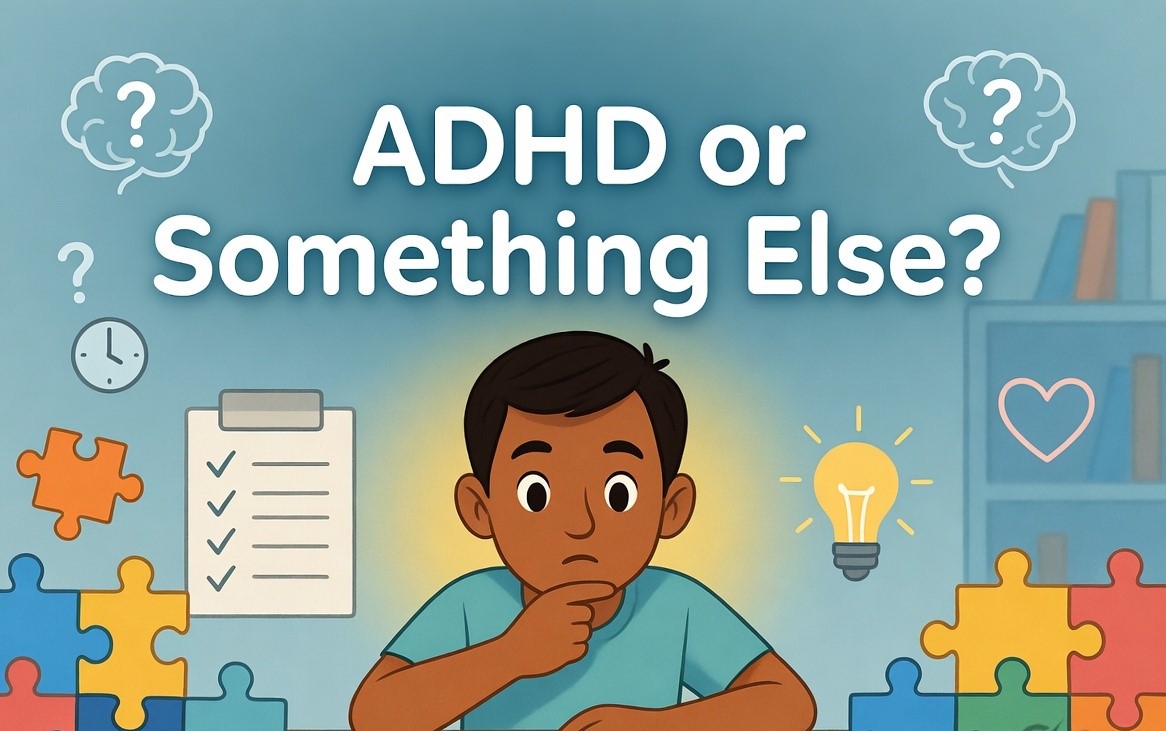
Introduction to ADHD and Neurodivergence
As a parent in India, you're not alone in wondering if your child's behavior is a sign of ADHD or something else. With the increasing awareness of neurodivergent conditions, it's natural to feel concerned. Perhaps your child is having trouble focusing in class, or they're exhibiting impulsive behavior during festivals like Diwali or Holi. Whatever the situation, it's essential to understand the signs and symptoms of ADHD and other neurodivergent conditions to provide your child with the right support and resources.
Understanding Neurodivergence in the Indian Context
In India, neurodivergent conditions like ADHD, Autism, Dyslexia, and Down Syndrome are often misunderstood or stigmatized. However, with the help of organizations like Special Education 24 India, there is a growing awareness and acceptance of these conditions. As a parent, it's crucial to recognize the signs and symptoms of neurodivergent conditions and seek professional help if needed. The Indian government has also launched schemes like the National Trust Act to support people with disabilities, including those with neurodivergent conditions.
Signs of ADHD in Children
ADHD (Attention Deficit Hyperactivity Disorder) is a neurodivergent condition characterized by symptoms of inattention, hyperactivity, and impulsivity. Some common signs of ADHD in children include:
📎 Related Free Resource · Autism Spectrum
What Is ABA Therapy for Autism? A Simple & Practical Guide for ParentsABA stands for Applied Behaviour Analysis. It is an approach to understanding how behavior and learning are influenced by a perso…
📥 Download Free- Difficulty paying attention in class or during homework
- Impulsive behavior, such as interrupting others or blurting out answers
- Hyperactivity, such as fidgeting or restlessness
- Difficulty with organization and time management
- Struggling to follow instructions or complete tasks
Distinguishing Between ADHD and Other Conditions
While ADHD is a distinct condition, its symptoms can sometimes be similar to those of other neurodivergent conditions, such as Autism or Dyslexia. For example, a child with Autism may exhibit repetitive behaviors or have difficulty with social interactions, while a child with Dyslexia may struggle with reading or writing. It's essential to consult with a professional, such as a psychologist or special educator, to determine the underlying cause of your child's behavior.
Common Signs Indian Parents Miss
In addition to the common signs of ADHD, there are other signs that Indian parents may miss. These include:
- Sensory processing issues, such as being over- or under-sensitive to certain sights, sounds, or textures
- Emotional dysregulation, such as mood swings or intense emotional outbursts
- Executive function challenges, such as difficulty with planning, organization, or self-regulation
- Social skills difficulties, such as trouble initiating or maintaining conversations
Seeking Professional Help
If you're concerned about your child's behavior or development, it's essential to seek professional help. In India, you can consult with a psychologist, special educator, or other professionals who specialize in neurodivergent conditions. They can provide a comprehensive assessment and develop a personalized plan to support your child's needs.
Key Takeaways
- ADHD is a neurodivergent condition characterized by symptoms of inattention, hyperactivity, and impulsivity
- Indian parents should be aware of the common signs of ADHD, as well as other signs that may be missed, such as sensory processing issues or emotional dysregulation
- Consulting with a professional, such as a psychologist or special educator, is essential to determine the underlying cause of your child's behavior
- With the right support and resources, children with neurodivergent conditions can thrive and reach their full potential
- Indian parents can access resources and support through organizations like Special Education 24 India and government schemes like the National Trust Act
Conclusion
As an Indian parent, it's natural to feel concerned about your child's behavior or development. However, by understanding the signs and symptoms of ADHD and other neurodivergent conditions, you can provide your child with the right support and resources to thrive. Remember, neurodivergent conditions are not a weakness, but rather a natural part of human diversity. By embracing and accepting your child's unique needs and strengths, you can empower them to reach their full potential and live a happy, fulfilling life. So, don't hesitate to seek help, and remember that you're not alone in this journey. With the right support and resources, your child can thrive and make a positive impact in the world.
Free Resources Related to This Post
ABA stands for Applied Behaviour Analysis. It is an approach to understanding how behavio…
📥 Download FreeA structured homework planner with built-in break reminders, priority boxes, and a "done!"…
📥 Download FreeHow Parents of Autistic and ADHD Children Can Overcome Stress, Financial Pressure, Stigma …
📥 Download FreePractical 2-page parent guide with warm illustrations of mom & child. Covers slow talk…
📥 Download FreeYou Might Also Find Helpful
🏫 Educator Resources · 21 Oct 2026
Identify Dyslexia in Your Child: A Guide for Indian ParentsDiscover practical ways to recognize dyslexia early in your child. This empathetic guide offers real…

🏫 Educator Resources · 12 Oct 2026
Cerebral Palsy and Physiotherapy in India: A Parent’s GuideDiscover how physiotherapy can transform the lives of children with cerebral palsy in India. This em…
🏫 Educator Resources · 12 Sep 2026
ADHD & Gifted Kids in India: Guide to Twice‑Exceptional LearnersDiscover how ADHD and giftedness can coexist in Indian children, why they are called twice‑excepti…