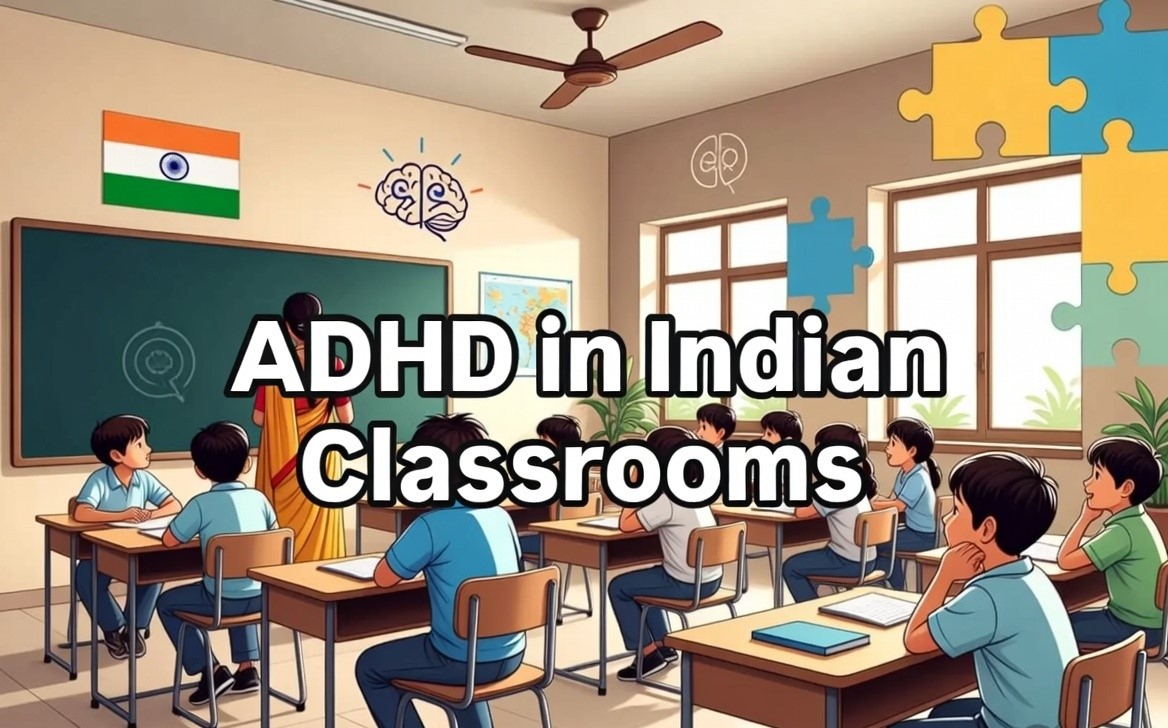
Introduction to ADHD in Indian Classrooms
As an Indian parent, have you ever wondered why your child has trouble paying attention in class or completing homework assignments? Do they often get distracted, forget things, or act impulsively? You're not alone. Many parents in India are facing similar challenges with their children, and it's often due to Attention Deficit Hyperactivity Disorder (ADHD). With the increasing awareness of neurodivergent conditions, it's essential to understand ADHD and its impact on learning in Indian classrooms.
What is ADHD?
ADHD is a neurodevelopmental disorder that affects both children and adults. It's characterized by symptoms of inattention, hyperactivity, and impulsivity. Children with ADHD may have difficulty paying attention, following instructions, or completing tasks. They may also be overly active, fidgety, or impulsive, which can lead to behavioral problems in the classroom.
Prevalence of ADHD in India
ADHD is a common condition in India, affecting an estimated 5-10% of school-age children. However, due to lack of awareness and stigma, many cases go undiagnosed or misdiagnosed. In cities like Mumbai, Delhi, and Bangalore, there is a growing awareness of ADHD, and many schools are starting to provide support services for children with ADHD.
📎 Related Free Resource · Autism Spectrum
What Is ABA Therapy for Autism? A Simple & Practical Guide for ParentsABA stands for Applied Behaviour Analysis. It is an approach to understanding how behavior and learning are influenced by a perso…
📥 Download FreeImpact of ADHD on Learning
ADHD can significantly impact a child's learning and academic performance. Children with ADHD may struggle with organization, time management, and self-regulation, leading to poor grades and decreased motivation. They may also experience social difficulties, such as making friends or interacting with teachers, which can further exacerbate their struggles.
Strategies for Supporting Children with ADHD
Fortunately, there are many strategies that teachers and parents can use to support children with ADHD in Indian classrooms. These include:
- Providing a structured and organized learning environment
- Breaking down large tasks into smaller, manageable chunks
- Using visual aids and multisensory teaching methods
- Encouraging physical activity and movement breaks
- Offering positive reinforcement and incentives for good behavior
Role of Parents and Teachers
Parents and teachers play a vital role in supporting children with ADHD. By working together, they can create a comprehensive plan that addresses the child's academic, social, and emotional needs. This may involve developing an Individualized Education Plan (IEP) or using behavioral interventions like positive reinforcement and token economies.
Indian Context and Challenges
In India, there are several challenges that families and educators face when supporting children with ADHD. These include lack of awareness, limited resources, and cultural stigma. However, there are also many opportunities for support and advocacy. For example, the Indian government has launched initiatives like the Sarva Shiksha Abhiyan (SSA) and the Rashtriya Madhyamik Shiksha Abhiyan (RMSA) to improve access to education for children with disabilities.
Government Schemes and Resources
There are several government schemes and resources available to support children with ADHD in India. These include the National Trust Act, which provides financial assistance and support services for persons with autism, cerebral palsy, and other disabilities. Additionally, many NGOs and organizations, such as the ADHD Association of India, offer guidance, counseling, and advocacy for families and educators.
Key Takeaways
- ADHD is a common condition in India that affects learning and behavior
- Early diagnosis and intervention are critical for supporting children with ADHD
- Teachers and parents can use strategies like structured learning environments, visual aids, and positive reinforcement to support children with ADHD
- Indian government schemes and NGOs offer resources and support for families and educators
- Cultural awareness and acceptance are essential for promoting inclusion and acceptance of neurodivergent children in Indian classrooms
Conclusion
As a parent or educator, it's essential to remember that every child with ADHD is unique and deserves support and understanding. By working together and using the right strategies, we can create inclusive and supportive learning environments that allow children with ADHD to thrive. So, let's join hands to promote awareness, acceptance, and empowerment for neurodivergent children in India. Together, we can make a difference and help them reach their full potential.
Free Resources Related to This Post
ABA stands for Applied Behaviour Analysis. It is an approach to understanding how behavio…
📥 Download FreeA structured homework planner with built-in break reminders, priority boxes, and a "done!"…
📥 Download FreeHow Parents of Autistic and ADHD Children Can Overcome Stress, Financial Pressure, Stigma …
📥 Download FreePractical 2-page parent guide with warm illustrations of mom & child. Covers slow talk…
📥 Download FreeYou Might Also Find Helpful
🏫 Educator Resources · 21 Oct 2026
Identify Dyslexia in Your Child: A Guide for Indian ParentsDiscover practical ways to recognize dyslexia early in your child. This empathetic guide offers real…

🏫 Educator Resources · 12 Oct 2026
Cerebral Palsy and Physiotherapy in India: A Parent’s GuideDiscover how physiotherapy can transform the lives of children with cerebral palsy in India. This em…
🏫 Educator Resources · 12 Sep 2026
ADHD & Gifted Kids in India: Guide to Twice‑Exceptional LearnersDiscover how ADHD and giftedness can coexist in Indian children, why they are called twice‑excepti…